Color grading has long been a fundamental aspect of video production, influencing the mood and emotional resonance of the final product.
As technology advances, professionals are increasingly turning to AI-driven color grading to elevate their projects.
This innovative approach not only streamlines the editing process but also enhances the visual narrative, allowing creators to achieve an exceptional level of artistry.
In this article, we will delve into the intricacies of AI-driven color grading, exploring its benefits, how it transforms visual storytelling, and the exciting future that lies ahead in this realm.
The BEST AI Screenwriting Tool In Hollywood!
Key Takeaways
- AI-driven color grading revolutionizes the video production process by automating complex color corrections.
- Enhanced visual storytelling is achieved through AI algorithms that analyze footage and optimize color palettes.
- The benefits of AI in color grading include increased efficiency, consistency, and creative flexibility for video editors.
- Comparing traditional methods to AI-driven techniques highlights significant advancements in speed and precision.
- Future trends indicate a continued integration of AI technology, further transforming how color grading is approached in the industry.
Understanding AI-Driven Color Grading
AI-driven color grading is revolutionizing the world of visual media by integrating advanced algorithms with traditional post-production techniques.
This innovative approach utilizes artificial intelligence to analyze footage, identifying key elements such as skin tones, lighting conditions, and scenes' overall mood.
By understanding these components, AI-driven color grading tools can suggest adjustments that enhance the aesthetic quality and emotional impact of the material.
Unlike manual color grading, which can be a time-consuming and often subjective process, AI solutions provide a more efficient workflow and offer consistent results across various projects.
This technology not only empowers filmmakers and content creators to push their creative boundaries but also democratizes high-quality visual content production, making it accessible to hobbyists and professionals alike.
As this technology continues to evolve, it promises to further bridge the gap between art and technology, setting new standards for audiovisual storytelling.
The Benefits of AI in Color Grading for Video Production
Color grading is a crucial aspect of video production that enhances the visual storytelling of a project.
In recent years, the integration of AI-driven color grading has revolutionized the industry, offering numerous benefits that cannot be overlooked.
Firstly, AI-driven color grading saves time during the post-production process.
By utilizing advanced algorithms, AI tools can analyze footage and automatically apply appropriate color adjustments, allowing editors to focus on creative decisions rather than tedious manual corrections.
Additionally, AI technology provides consistency across different scenes, ensuring that the color palette remains uniform, which is especially vital for maintaining the mood and tone of the narrative.
Another significant advantage is the ability of AI to learn and adapt from previous projects, meaning that the more it processes footage, the more skilled it becomes at understanding the stylistic preferences of the editor.
This technology not only enhances productivity but also elevates the overall quality of the final product, making AI-driven color grading an indispensable tool for modern video producers.
'Color is the keyboard, the eyes are the harmonies, the viola is the soul.' - Wassily KandinskyThe BEST AI Screenwriting Tool In Hollywood!
How AI Algorithms Enhance Visual Storytelling
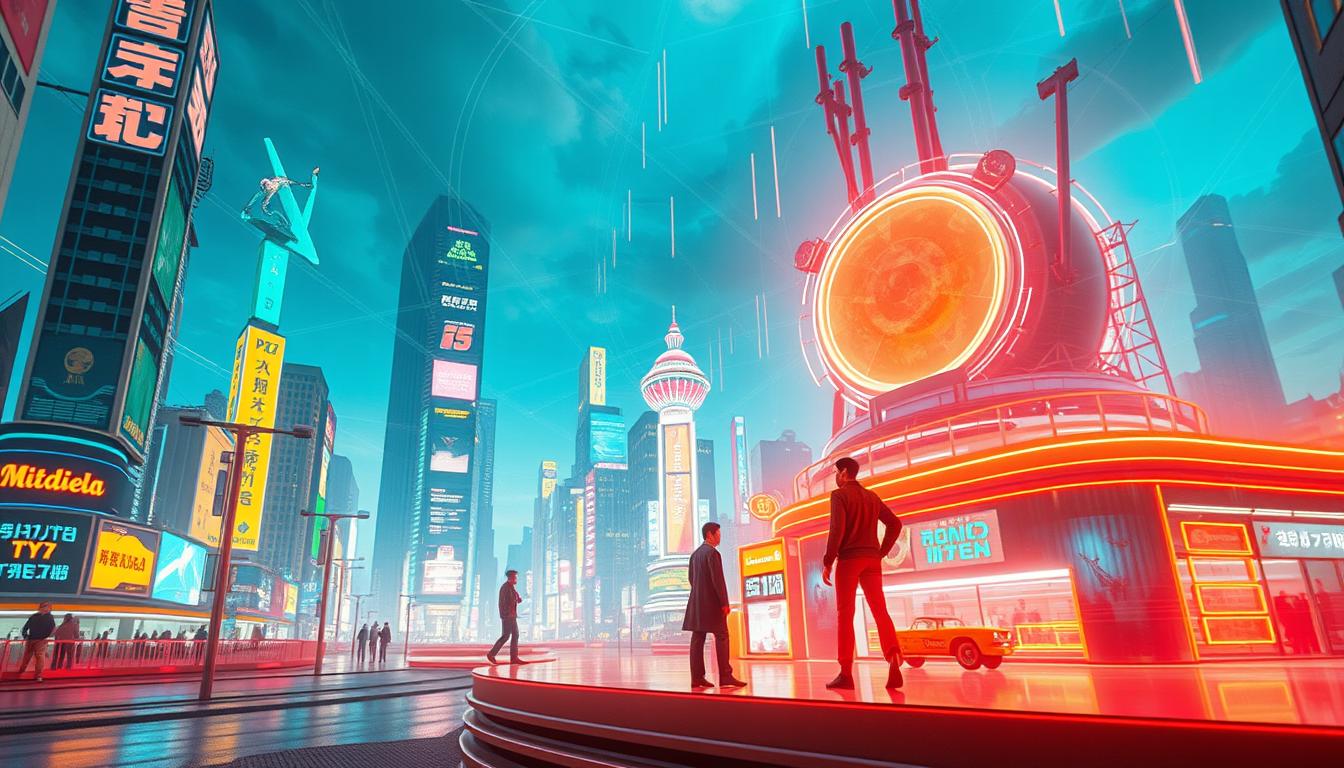
In the realm of visual storytelling, AI-driven color grading has emerged as a revolutionary tool that enhances the aesthetic quality of films, videos, and digital content.
By utilizing sophisticated algorithms, creators can achieve stunning visual narratives that resonate more deeply with audiences.
AI algorithms analyze footage to determine the optimal color adjustments, ensuring that every frame evokes the intended mood and emotion.
This process not only streamlines post-production workflows but also empowers filmmakers to experiment with unconventional color palettes, ultimately elevating the storytelling experience.
As AI continues to evolve, it opens new avenues for creativity, enabling storytellers to craft visually captivating experiences that are both immersive and emotionally impactful.
Comparing Traditional vs. AI-Driven Color Grading Techniques
In the ever-evolving landscape of film and video production, the debate between traditional and AI-driven color grading techniques has gained significant traction.
Traditional color grading relies heavily on the expertise and artistic vision of professional colorists, who meticulously adjust colors, contrast, and saturation to achieve the desired aesthetic.
This method, while deeply rooted in craft and creativity, can be time-consuming and often requires multiple revisions to align with the director's vision.
On the other hand, AI-driven color grading is revolutionizing the industry by leveraging advanced algorithms and machine learning technologies to automate and enhance the grading process.
This innovative approach not only accelerates workflow, allowing for quicker turnaround times, but also harnesses data from countless films to offer suggestions that maintain artistic integrity.
Additionally, AI-driven color grading can analyze scenes quickly, ensuring consistency across various shots that might otherwise vary when handled manually.
As filmmakers and studios continue to explore the benefits and limitations of these techniques, the seamless integration of AI-driven color grading into mainstream production is poised to redefine creativity and efficiency in visual storytelling.
Future Trends in AI-Driven Color Grading Technology
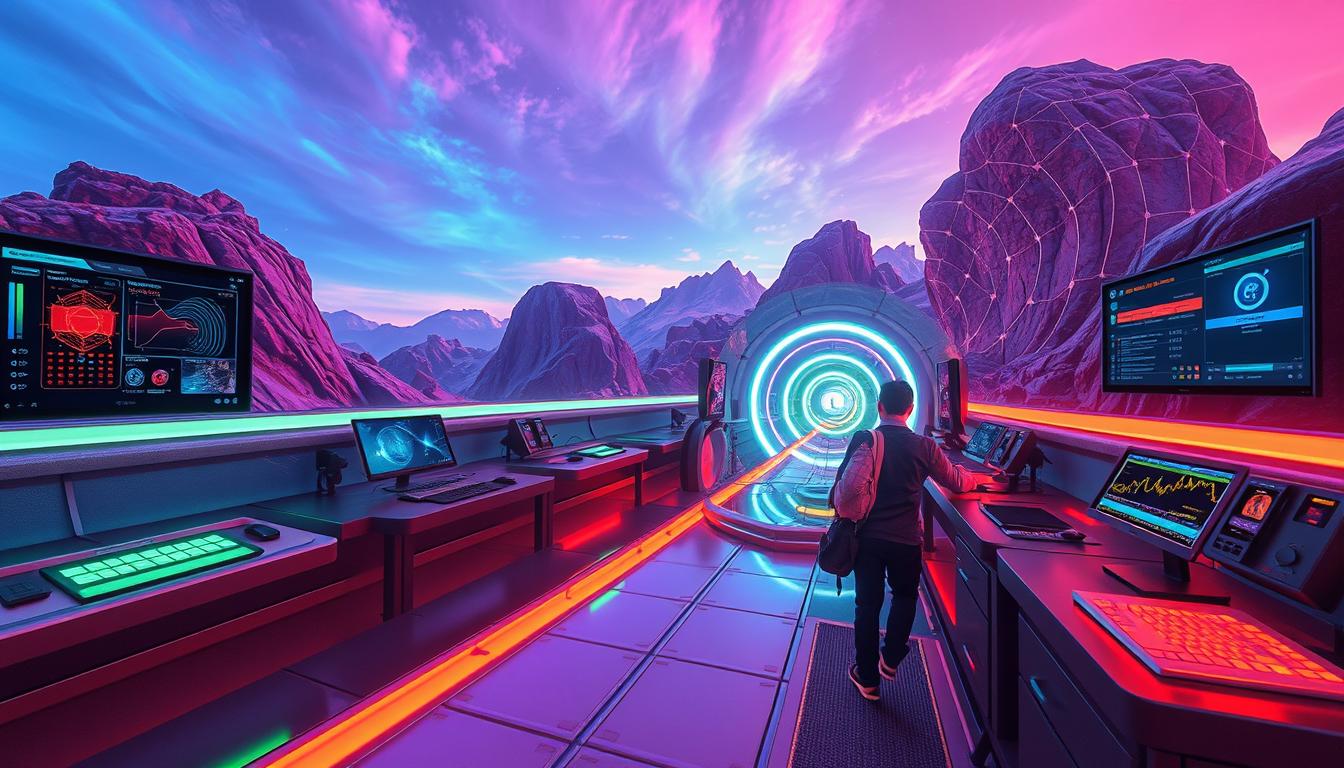
As the film and photography industries continue to evolve, the future trends in AI-driven color grading technology are set to revolutionize the way visual content is produced and refined.
With powerful algorithms at their core, AI-driven color grading tools are becoming increasingly sophisticated, enabling creators to achieve stunning visual aesthetics with unprecedented efficiency.
One of the most significant advancements is the ability for AI systems to learn from vast databases of color palettes and styles.
This means that filmmakers and photographers can apply professional-grade color grading techniques in mere minutes, rather than spending hours in post-production.
Additionally, AI-driven color grading is becoming more accessible, allowing independent artists and creators to enhance their work without the need for extensive technical expertise.
As we move forward, we can expect to see further innovations in real-time collaboration tools that allow teams to work together seamlessly, regardless of their location, which could redefine the collaborative nature of visual storytelling.
Overall, the future of AI-driven color grading technology promises not only to streamline production processes but also to inspire a new wave of creative possibilities in the visual arts.
Comments
Post a Comment