In today’s fast-paced digital world, the demand for captivating visual storytelling has reached unprecedented heights.
As creators strive to engage their audiences with stunning visuals, the advent of automated scene composition has revolutionized how stories are told.
This innovative approach allows storytellers, videographers, and marketers alike to craft striking visuals with ease and efficiency.
In this article, we’ll delve into the essence of automated scene composition, elucidate its myriad benefits for visual storytelling, explore essential tools and software that empower creators, and share valuable techniques for mastering this transformative art.
Additionally, we’ll examine real-world case studies that highlight successful applications, illustrating just how impactful automated scene composition can be in telling compelling narratives.
The BEST AI Screenwriting Tool In Hollywood!
Key Takeaways
- Automated scene composition enhances the efficiency and creativity of visual storytelling.
- Utilizing automated scene composition tools can significantly reduce production time and costs.
- Key software options enable seamless integration of automated compositions into existing workflows.
- Mastering techniques in automated scene composition can elevate the overall quality of visual narratives.
- Real-world case studies demonstrate the effective application of automated scene composition in various industries.
Introduction to Automated Scene Composition
Automated scene composition is revolutionizing the way visual content is created, providing artists and creators with innovative tools to enhance their workflows.
At its core, automated scene composition refers to the use of advanced algorithms and artificial intelligence to assist in arranging elements within a digital space, whether for film, gaming, or graphic design.
By harnessing the power of automated scene composition, users can streamline their creative processes, reduce the time spent on manual adjustments, and achieve visually appealing results with optimal balance and perspective.
This technology allows for dynamic adjustments, enabling artists to experiment with various arrangements and styles effortlessly.
As the demand for high-quality visual content continues to grow in our digitally driven world, mastering automated scene composition becomes an invaluable skill for anyone looking to stay ahead in the competitive creative landscape.
Benefits of Automated Scene Composition in Visual Storytelling
Automated scene composition is revolutionizing visual storytelling by streamlining the creative process and enhancing the quality of the final product.
One of the primary benefits of automated scene composition is its ability to save time for creators.
By utilizing advanced algorithms and artificial intelligence, filmmakers and animators can quickly generate diverse scene layouts and arrangements, allowing them to focus more on storytelling rather than tedious manual adjustments.
Additionally, this technology brings consistency to visual elements, ensuring that scenes align with the overall theme and mood of the narrative.
It also empowers creators to experiment with various styles and structures, leading to innovative storytelling techniques.
Moreover, for those with limited artistic skills, automated scene composition serves as a powerful tool, making visual storytelling more accessible and inclusive.
Overall, the integration of automated scene composition not only boosts efficiency but also serves as a catalyst for creativity in the world of visual arts.
'The art of storytelling is reaching its end because the epic piece of creative writing is linkd to the image; and in this world, there are no longer images, only their representations.' - A piece reflecting the fusion of technology and narrative.The BEST AI Screenwriting Tool In Hollywood!

Key Tools and Software for Automated Scene Composition
Automated scene composition is revolutionizing the way visual content is created, allowing artists and designers to efficiently produce stunning environments for films, video games, and virtual reality applications.
To fully leverage the power of automated scene composition, several key tools and software have emerged as essential resources for both novice and professional creators.
Programs like Autodesk Maya and Blender are well-known for their robust modeling capabilities, enabling users to harness automated features for rapid scene assembly.
Additionally, Unreal Engine and Unity provide powerful game engines that integrate automated scene composition techniques for real-time rendering and interactive design.
For those focused on the artistic aspect, tools such as Adobe Creative Cloud, particularly Photoshop and After Effects, enhance the automation process with smart editing features that facilitate seamless integrations of various elements.
By utilizing these tools, creators can enhance their workflows and unlock the potential of automated scene composition, creating visually engaging and immersive worlds that captivate audiences.
Techniques for Mastering Automated Scene Composition
Automated scene composition is rapidly transforming the world of visual storytelling, bringing new levels of creativity and efficiency to various industries, including film, video games, and virtual reality.
To master this innovative technique, consider employing a blend of advanced algorithms and artificial intelligence that can analyze and optimize the arrangement of visual elements in your scenes.
One effective approach involves using rule-based systems that adhere to fundamental principles of design, such as the rule of thirds and balance, ensuring that your compositions are visually appealing.
Additionally, leverage machine learning models trained on vast datasets of successful compositions to predict and suggest enhancements that would elevate your scenes.
Incorporating real-time feedback from user interactions can also refine automated scene composition, allowing for adjustments based on audience engagement.
Finally, staying updated on the latest technologies and tools that facilitate automated workflows will not only enhance your projects but also make the composition process significantly faster and more intuitive.
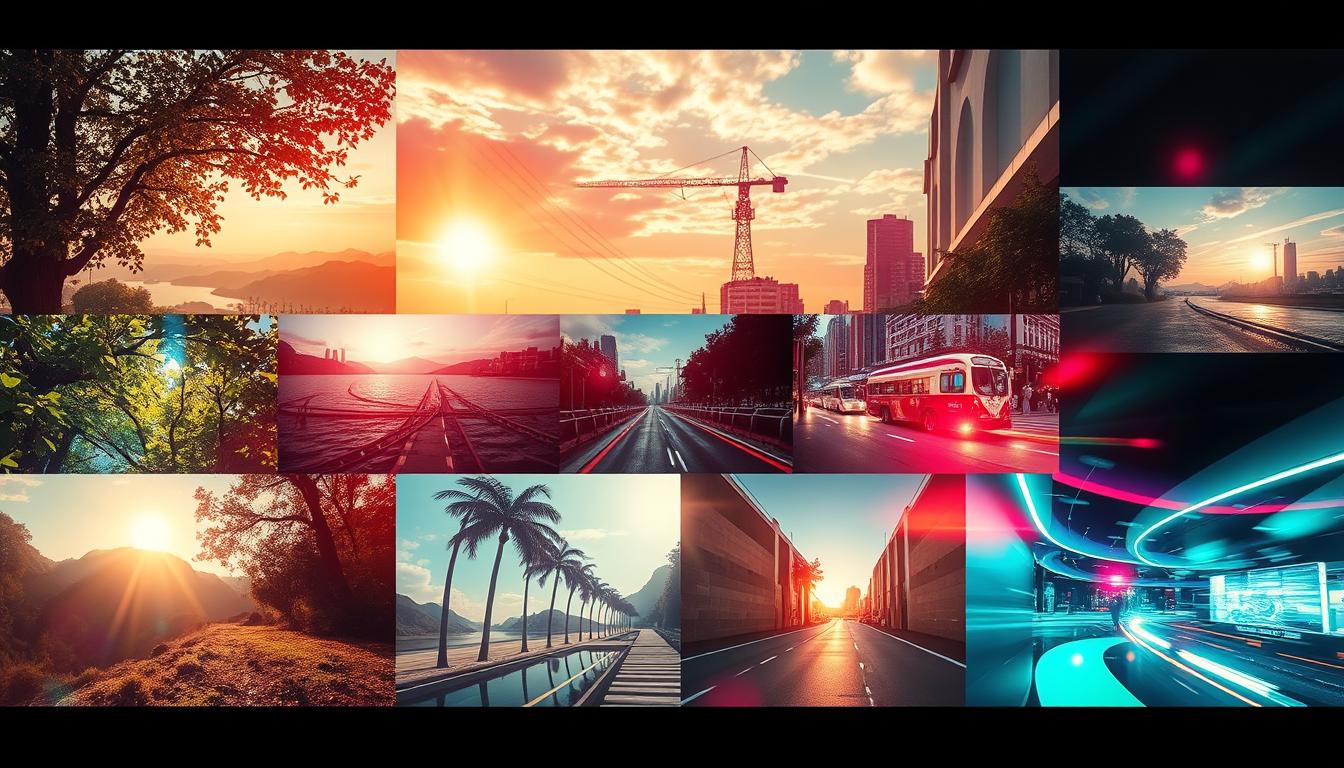
Case Studies: Successful Applications of Automated Scene Composition
Automated scene composition is revolutionizing the way visual content is created across various industries.
One compelling case study is found in the realm of film production, where studios are now leveraging advanced algorithms and machine learning to streamline their workflow.
In a recent project, a major film studio utilized automated scene composition tools to juxtapose live-action footage with digitally generated backgrounds, significantly speeding up the post-production process while enhancing visual storytelling.
Another noteworthy example comes from the gaming industry, particularly in the design of expansive open-world environments.
Here, automated scene composition allows developers to create intricate landscapes that adapt dynamically to player interactions, thus enriching the gameplay experience.
Additionally, in advertising, brands are employing automated scene composition to generate captivating visual ads tailored to target audiences through real-time data analysis.
These case studies illustrate not only the versatility of automated scene composition but also its potential to improve efficiency and creativity in visual content creation.
Comments
Post a Comment