
Completing a first draft of any written work is a major achievement for any writer. It captures the essence of ideas and emotions, providing a foundation for what could become a polished masterpiece. However, the journey does not end with that initial draft; it’s merely the beginning. Rewriting drafts is an essential step in the writing process that transforms rough, unrefined concepts into coherent narratives. This article explores effective strategies for rewriting drafts, helping writers manage self-doubt and elevate their work into something truly special.
Understanding the Need for Rewriting
Many writers recognize that first drafts tend to be messy. They often contain clichés, plot holes, and inconsistencies. The realization that a complete rewrite may be necessary can be daunting. However, rewriting is not synonymous with starting from scratch; it is about revising and refining each section to enhance clarity, coherence, and creativity.
The primary goal of rewriting is to improve the original manuscript rather than discard it entirely. Writers may decide to focus on certain chapters that need more attention while keeping the overall structure intact. By approaching the rewriting process with this understanding, writers can alleviate the pressure that comes with self-doubt often experienced after reading their initial drafts.
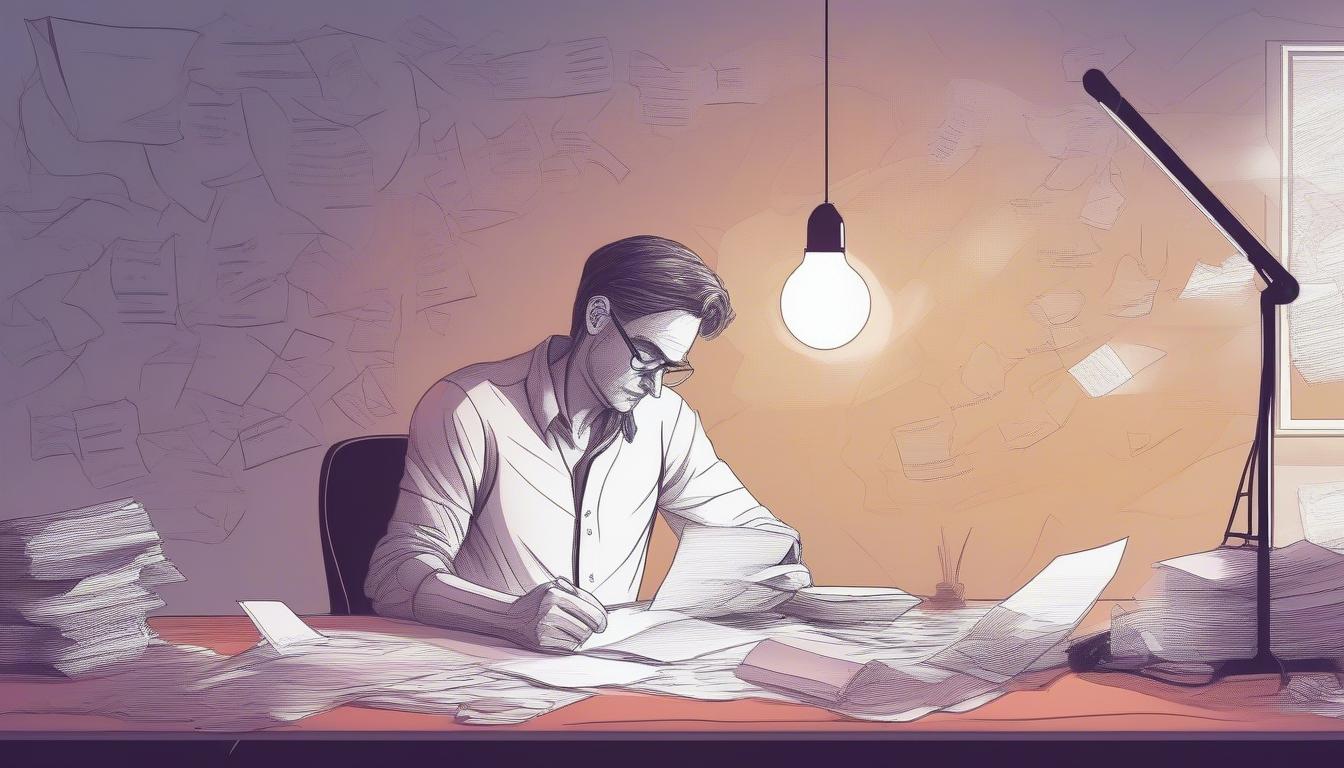
Step-by-Step Process for Rewriting
Here are actionable steps that can guide you through the rewriting process:
-
Take a Break: Once you complete your first draft, step away from your work for a set period. This allows your creativity to refresh and enables you to return to the manuscript with a critical eye. The ideal timeframe may vary; even a week can make a difference.
-
Print and Annotate: Printing out your draft can provide a different perspective on your work. Use a red pen to mark errors and make notes in the margins. This physical interaction with the text encourages a more engaging review process.
-
Identify Key Changes: As you read through your draft, keep track of sections that need rewriting or new scenes that should be added. It's helpful to create a running list of changes needed as you progress through the document.
-
Revise Digitally: Once your notes are compiled, return to your computer and begin incorporating changes chapter by chapter. This might include adding new scenes, sharpening dialogue, or refining character arcs based on your annotations.
-
Iterate: Allow ample time for each draft iteration. Each pass provides new insights, further refining the work and elevating its quality.
Overcoming Self-Doubt
Self-doubt is a common hurdle for writers during the rewriting process. It is important to remember that first drafts are inherently raw and imperfect. Here are a few tips for overcoming this challenge:
-
Shift Your Perspective: Recognize that rewriting is a normal part of the writing process. Every acclaimed author has gone through numerous revisions before achieving a final product that resonates with readers.
-
Set Realistic Expectations: Understand that it is unlikely for any draft to be perfect on the first try. Breaking down your rewriting task into manageable sections can help you focus on improvement one step at a time.
-
Seek Feedback: Sharing your work with trusted peers or a writing group can provide valuable insights and validation. Constructive criticism can help you identify the strengths in your writing and guide you through necessary improvements.
Conclusion
Rewriting drafts is a critical phase of the writing process that transforms initial ideas into well-structured stories. By embracing the necessity of revisions, utilizing a structured approach, and confronting self-doubt, writers can polish their manuscripts into pieces that truly reflect their vision. Remember, every great writer was once an amateur; it’s perseverance and commitment to the craft that lead to masterpieces. Happy rewriting!
Comments
Post a Comment