In today's fast-paced digital landscape, the lines between technology and cinema are increasingly blurring.
As audiences' preferences shift and technology evolves, industry trends in tech and film are setting the course for the future of entertainment.
From the explosion of streaming platforms to groundbreaking technological innovations like AR and VR, the film industry is experiencing a seismic shift that is not only enhancing viewer experiences but also transforming how films are made and distributed.
In this article, we will delve into the top industry trends in tech and film, providing you with valuable insights into this vibrant intersection and what it means for filmmakers, tech companies, and audiences alike.
The BEST AI Screenwriting Tool In Hollywood!
Key Takeaways
- Streaming platforms are transforming film distribution by challenging traditional models.
- Innovative technologies like AR and VR are changing the landscape of filmmaking.
- AI is increasingly used in scriptwriting and production, influencing creative processes.
- Technology is enhancing audience engagement, providing immersive viewing experiences.
- Collaborations between tech companies and filmmakers are paving the way for new partnerships and opportunities.
1. The Rise of Streaming Platforms and Their Impact on Traditional Film Distribution
The rise of streaming platforms has undeniably transformed the landscape of the film industry, marking a significant shift in industry trends in tech and film.
As platforms like Netflix, Hulu, and Amazon Prime Video gain popularity, traditional film distribution methods are being challenged, leading to a reimagining of how films are released and consumed.
In the past, cinema releases were the primary revenue driver, but the convenience and accessibility of streaming services have empowered viewers to enjoy films from the comfort of their homes.
This evolution not only affects revenue models but also influences the types of films being produced, with an increasing emphasis on original content that resonates with audiences seeking diverse perspectives.
As these streaming giants continue to invest millions in programming, traditional film studios are compelled to adapt or risk obsolescence, signaling a pivotal moment in the ongoing interplay between technology and the film industry.
2. Technological Innovations Revolutionizing Filmmaking: AR, VR, and Beyond
The realm of filmmaking is undergoing transformative changes driven by groundbreaking technological innovations, particularly through the integration of augmented reality (AR) and virtual reality (VR).
These emerging technologies are not just enhancing visual storytelling but are also shaping industry trends in tech and film.
Filmmakers now utilize AR to create immersive environments, allowing audiences to engage with narratives like never before.
For instance, AR tools enable the blending of digital images with real-world settings, giving rise to hybrid content that captivates viewers both in theaters and at home.
Meanwhile, VR is reimagining how stories are told, with filmmakers crafting 360-degree experiences that put viewers directly in the action, providing a sense of presence that traditional formats cannot replicate.
As these technologies continue to evolve, they are paving the way for innovative storytelling techniques, challenging filmmakers to rethink their approaches and audiences to explore new dimensions of narrative engagement.
By staying ahead of the curve and understanding these industry trends in tech and film, creatives can leverage these advancements to produce fresh, compelling content that resonates in today’s rapidly changing cinematic landscape.
'Technology, as it becomes ubiquitous, creates a paradox of choice; we must choose which story to tell in an infinite universe of possibilities.' - UnknownThe BEST AI Screenwriting Tool In Hollywood!
3. The Growing Influence of AI in Scriptwriting and Production
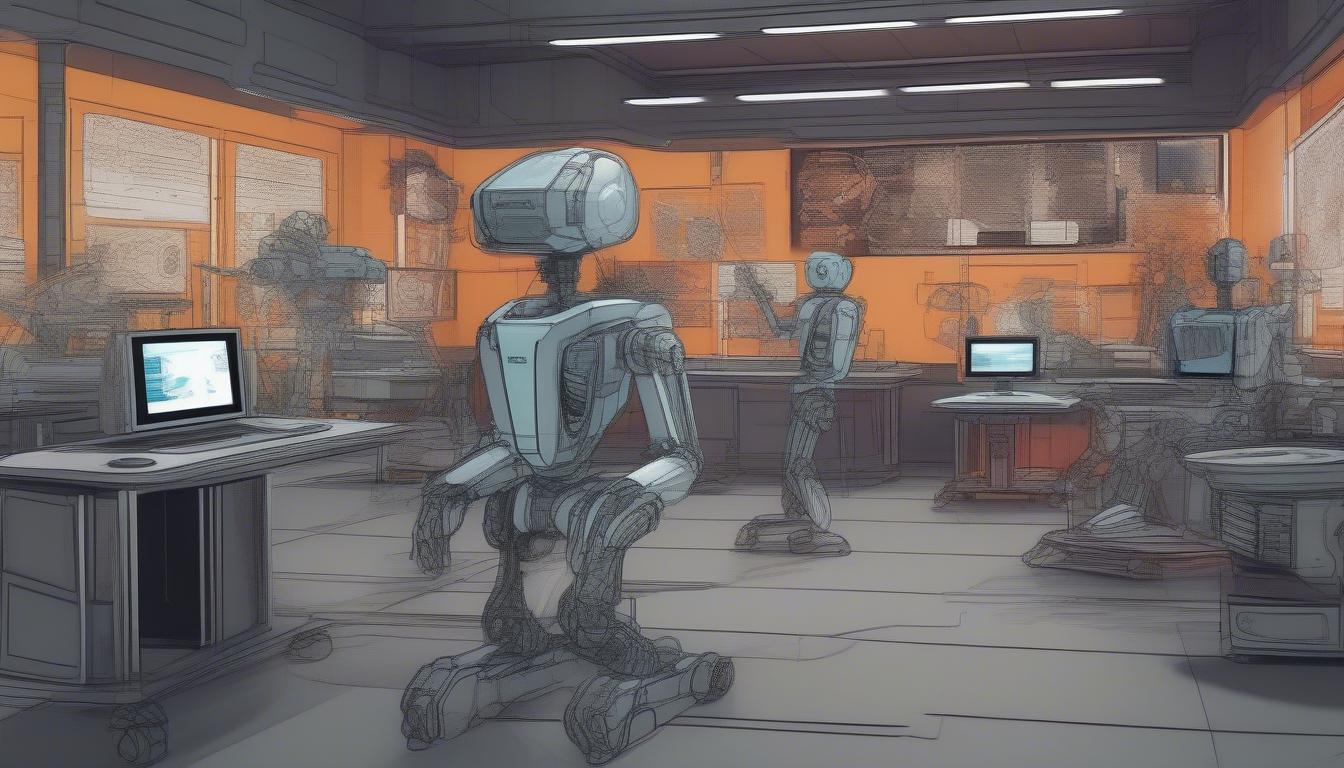
The growing influence of AI in scriptwriting and production is reshaping the way we think about storytelling in the film industry.
As industry trends in tech and film evolve, innovative AI tools are becoming invaluable assets for writers and producers alike.
These technologies can analyze vast databases of successful screenplays, recognizing patterns in structure, dialogue, and character development, which helps writers craft more engaging scripts.
Furthermore, AI is now capable of generating script ideas and even full screenplays, offering writers a unique starting point and sparking creativity.
In production, AI-driven software enhances pre-visualization, allowing filmmakers to gain insights into scene composition and pacing before filming begins.
As these advancements take hold, they not only streamline the production process but also influence creative decisions, encouraging filmmakers to explore narratives they might not have considered otherwise.
This growing convergence of industry trends in tech and film not only promises to enhance the quality of stories told but also ensures a more efficient, data-driven approach to filmmaking.
4. Trends in Audience Engagement: How Technology is Shaping Viewer Experience
In today’s rapidly evolving landscape of entertainment, the intersection of industry trends in tech and film is fundamentally reshaping audience engagement.
One of the key trends is the rise of interactive storytelling, where viewers no longer passively consume content but actively participate in the narrative.
Platforms like Netflix and YouTube are experimenting with formats that allow viewers to make choices, affecting the plot's direction and outcome.
This technological shift not only enhances viewer investment in the story but also fosters a personalized experience that appeals to modern audiences seeking deeper connections with content.
Furthermore, the integration of augmented reality (AR) and virtual reality (VR) is revolutionizing how films are experienced, creating immersive environments that transport viewers into the heart of the action.
As filmmakers harness these technologies, they create novel ways to engage audiences, ensuring that the evolving viewer experience remains at the forefront of industry trends in tech and film.
5. Collaboration Between Tech Companies and Filmmakers: A New Era of Partnerships
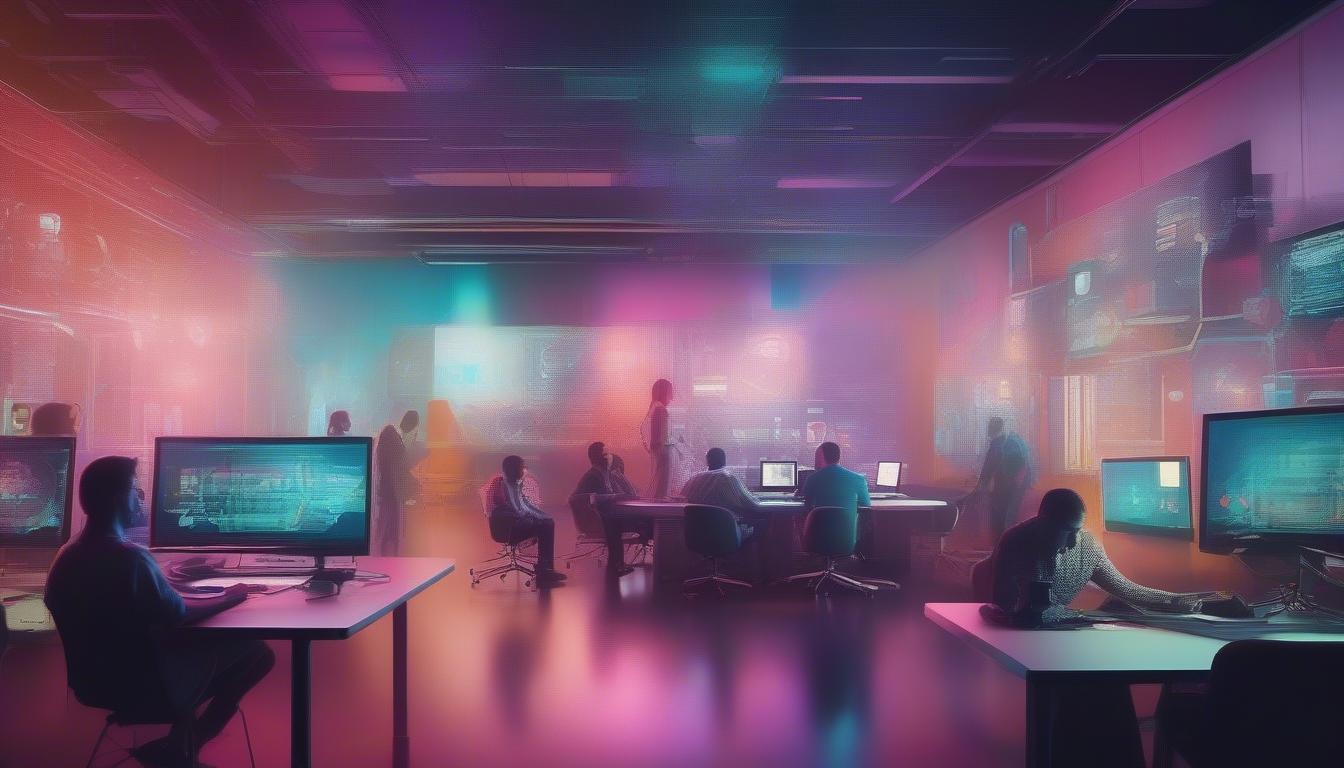
The intersection of technology and film is witnessing unprecedented collaboration, marking a significant trend in the industry.
As filmmakers increasingly seek innovative ways to tell stories, tech companies have stepped up to provide cutting-edge solutions that enhance the filmmaking process.
This synergy is not just about integrating advanced technologies like virtual reality and augmented reality into the storytelling narrative; it's also about creating platforms that facilitate smoother production workflows.
Companies like NVIDIA and Unreal Engine are partnering with filmmakers to push the boundaries of visual effects and animation, leading to breathtaking cinematic experiences that were previously unimaginable.
As these collaborations flourish, industry trends in tech and film are evolving towards a future where imagination and technology are seamlessly intertwined, setting the stage for tomorrow's filmmaking landscape.
Comments
Post a Comment