The film industry is undergoing a dramatic transformation, as innovations continue to shape the future of cinema.
From groundbreaking technology that enhances film production to the rise of streaming services, the dynamics of how movies are made, distributed, and consumed are evolving at an unprecedented pace.
In this article, we will explore the key trends and innovations redefining the cinematic experience, including the influence of virtual reality, shifts in audience behavior, and the growing importance of environmental sustainability in film production.
Join us on this journey into the future of cinema, where the possibilities seem endless and the excitement is palpable.
The BEST AI Screenwriting Tool In Hollywood!
Key Takeaways
- Technology is revolutionizing film production processes and techniques.
- Streaming services are reshaping how audiences access and consume films.
- Virtual reality offers new, immersive storytelling experiences for filmmakers.
- Audience behavior is evolving, influencing film genres and distribution methods.
- Sustainability and ethical practices are becoming essential in the film production industry.
1. The Role of Technology in Transforming Film Production
In recent years, technology has played a pivotal role in transforming film production, shaping what many refer to as the future of cinema.
With advancements in digital filmmaking, 3D modeling, and virtual reality, filmmakers are now equipped with tools that allow for unparalleled creative expression.
Innovations such as high-definition cameras, drone cinematography, and sophisticated editing software have made it easier to produce visually stunning content on a budget.
Moreover, the rise of streaming platforms has revolutionized distribution, giving independent filmmakers the opportunity to reach global audiences without the constraints of traditional cinemas.
As technology continues to evolve, it is not just changing the production process, but also how stories are told and consumed, making it an exciting time for both creators and audiences alike.
This evolution not only reflects a shift in production dynamics but also heralds a new era characterized by interactive storytelling and immersive experiences, firmly establishing the foundation of the future of cinema.
2. Streaming Services and Their Impact on Traditional Cinema
As we explore the future of cinema, it's impossible to ignore the profound impact that streaming services have had on traditional film distribution and audience engagement.
Platforms like Netflix, Amazon Prime, and Hulu have revolutionized the way viewers consume content, leading to a seismic shift in the film industry.
With the convenience of on-demand viewing, audiences can enjoy a vast library of films from the comfort of their homes, diminishing the necessity for the theater experience.
This has prompted cinema chains to rethink their strategies, often focusing on immersive experiences and premium offerings, such as 4D theaters and luxury seating, in order to lure viewers back.
Additionally, streaming services are producing their own films, which not only compete for box office dollars but are also garnering critical acclaim, as evidenced by Oscar nominations for streaming-only releases.
As we delve deeper into this transformation, it is clear that the future of cinema will likely see a hybrid model emerge, balancing traditional theatrical releases with the growing influence of streaming platforms.
'The future belongs to those who believe in the beauty of their dreams.' - Eleanor RooseveltThe BEST AI Screenwriting Tool In Hollywood!
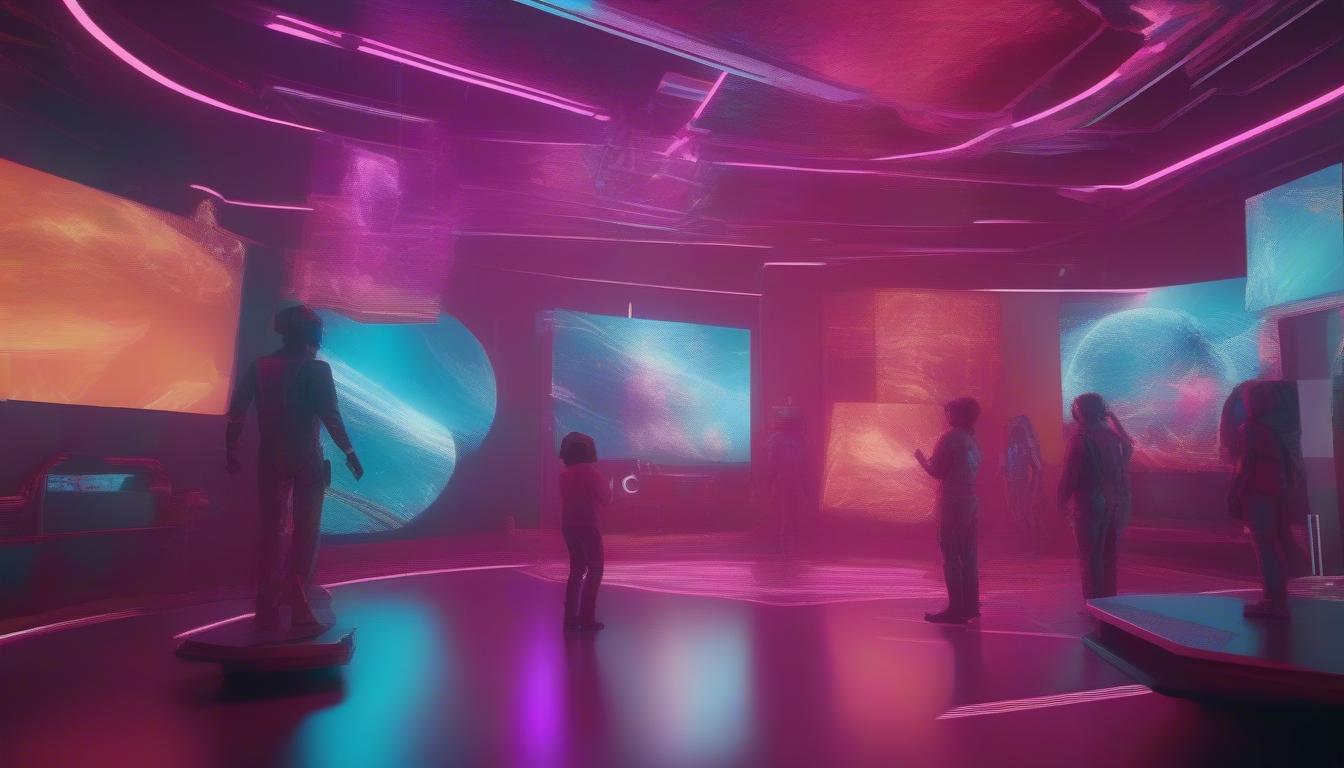
3. Virtual Reality and Immersive Experiences in Filmmaking
The future of cinema is increasingly intertwined with advancements in technology, particularly in the realm of virtual reality (VR) and immersive experiences.
Filmmakers are exploring innovative ways to engage audiences, allowing them to step inside narratives and interact with characters and settings like never before.
With VR headsets becoming more accessible, viewers can transcend the traditional boundaries of storytelling, immersing themselves in a 360-degree environment where they aren’t just passive observers but active participants.
This shift towards immersive cinema not only enhances emotional connections to the story but also reshapes the way filmmakers craft their narratives.
As studios harness VR technology, we can expect the future of cinema to bring forth a new era of storytelling that combines breathtaking visuals with interactive elements, transforming how we perceive and experience films.
4. Changes in Audience Behavior and Preferences
As we delve into the future of cinema, one of the most significant factors to consider is the changing landscape of audience behavior and preferences.
With the ongoing digital revolution, viewers are increasingly favoring streaming platforms over traditional cinema visits.
This shift not only showcases the desire for convenience—allowing audiences to watch films on their own schedules—but also highlights the growing preference for diverse content that caters to various interests and demographics.
Furthermore, younger audiences are gravitating towards interactive and immersive experiences, such as virtual reality and augmented reality films, which challenge conventional cinematic storytelling.
As filmmakers and studios adapt to these changes, the future of cinema will likely see innovative formats, personalized viewing experiences, and a focus on audience engagement, resulting in a richer and more varied entertainment landscape.

5. Environmental Sustainability and Ethical Practices in Film Production
As we explore the future of cinema, one significant trend is the increasing shift towards environmental sustainability and ethical practices in film production.
Film studios and production companies are becoming more aware of their ecological impact and are taking proactive steps to minimize their carbon footprint.
This includes using renewable energy sources on set, reducing waste through recycling programs, and utilizing sustainable materials for set designs.
Additionally, there is a growing emphasis on ethical practices, such as fair labor standards for crew members and inclusive casting that reflects the diversity of society.
As audiences become more conscious of environmental and social issues, the film industry is responding by prioritizing sustainability and ethics, shaping a future of cinema that not only entertains but also aligns with the values of a more responsible and informed audience.
Comments
Post a Comment