In recent years, the term 'synthetic media' has surged into the limelight, representing a revolution in how we create, consume, and engage with content.
Synthetic media refers to media that is generated or manipulated through advanced technologies such as artificial intelligence and deep learning.
As various industries, from entertainment to marketing, begin to integrate these technologies, understanding synthetic media becomes paramount.
This article delves into what synthetic media entails, the technology propelling its rise, its profound implications for creative industries, the ethical dilemmas it raises, and the trends that are likely to shape its future.
Join us as we explore how synthetic media is not only transforming creativity but also unlocking new possibilities for innovation.
The BEST AI Screenwriting Tool In Hollywood!
Key Takeaways
- Synthetic media refers to content created using artificial intelligence and deep learning technologies.
- The rise of synthetic media presents both significant opportunities and challenges for creative industries.
- Ethical considerations, such as authenticity and copyright, are vital in the age of synthetic media.
- Understanding the technology behind synthetic media is crucial for industry professionals looking to adapt.
- Future trends suggest that synthetic media will continue to evolve, reshaping creativity in unprecedented ways.
Understanding Synthetic Media: Definition and Types
Synthetic media refers to content generated by artificial intelligence (AI) technologies that mimic human-like characteristics, enabling the creation of audio, video, and images without direct human intervention.
This innovative form of media has gained significant traction in recent years, with applications ranging from entertainment and marketing to education and virtual communication.
There are several types of synthetic media, including deepfakes, which use AI to create realistic video representations of people; text-to-speech systems that generate human-like voices; and generative art, where algorithms produce unique visual pieces.
Understanding synthetic media not only enhances our appreciation of its capabilities but also raises important ethical considerations regarding its use and potential misinformation.
As this landscape continues to evolve, staying informed becomes crucial for both creators and consumers alike.
The Technology Behind Synthetic Media: AI and Deep Learning
Synthetic media refers to the use of artificial intelligence (AI) and deep learning technologies to create content that mimics human-produced media or generates completely new types of media.
The technology behind synthetic media relies heavily on advanced algorithms that learn from vast amounts of data, enabling machines to replicate the characteristics of natural human expression in audio, video, and text formats.
Techniques such as generative adversarial networks (GANs) are instrumental in this process, allowing AI systems to produce highly realistic images or videos by understanding and synthesizing patterns from real-world examples.
Additionally, natural language processing (NLP) plays a crucial role in creating coherent and engaging written content, ensuring that synthetic media can capture the nuances of human communication.
As AI and deep learning continue to evolve, the potential applications for synthetic media expand, from entertainment and marketing to training simulations and beyond, highlighting a transformative shift in how we produce and consume digital content.
'The greatest danger in times of turbulence is not the turbulence—it is to act with yesterday's logic.' - Peter DruckerThe BEST AI Screenwriting Tool In Hollywood!

Implications for Creative Industries: Opportunities and Challenges
The rise of synthetic media is transforming the landscape of creative industries, presenting both opportunities and challenges that stakeholders must navigate.
On one hand, synthetic media technologies, such as deepfakes and AI-generated content, empower creators to experiment with novel storytelling techniques and enhance production efficiency.
This innovation can reduce costs and democratize content creation, enabling a broader range of voices to be heard.
However, the implications of synthetic media also raise ethical concerns regarding authenticity and copyright issues.
As creators and audiences grapple with the ramifications of manipulated content, the challenge will be to strike a balance between leveraging these tools for artistic expression and maintaining trust in the media produced.
By embracing the opportunities while addressing the inherent challenges, the creative industries can harness the potential of synthetic media to pave the way for a more innovative yet responsible future.
The Ethical Considerations Surrounding Synthetic Media
The rise of synthetic media has sparked significant ethical considerations that merit thorough examination.
As technological advancements enable the creation of highly realistic digital content, including deepfakes and AI-generated videos, the potential for misuse increases.
Concerns surrounding misinformation and manipulation are at the forefront, as these tools can easily replicate real individuals in scenarios they have never participated in.
Furthermore, the copyright implications are notable; creators of synthetic media face the challenge of respecting the likeness and intellectual property of original content owners while utilizing AI technologies.
This raises pressing questions: how do we establish consent for the use of someone's image in synthetic media, and what safeguards can be implemented to prevent harmful applications?
Addressing these ethical dilemmas is crucial for responsible innovation in the synthetic media landscape, ensuring it enhances creativity and communication rather than leading to deception and harm.
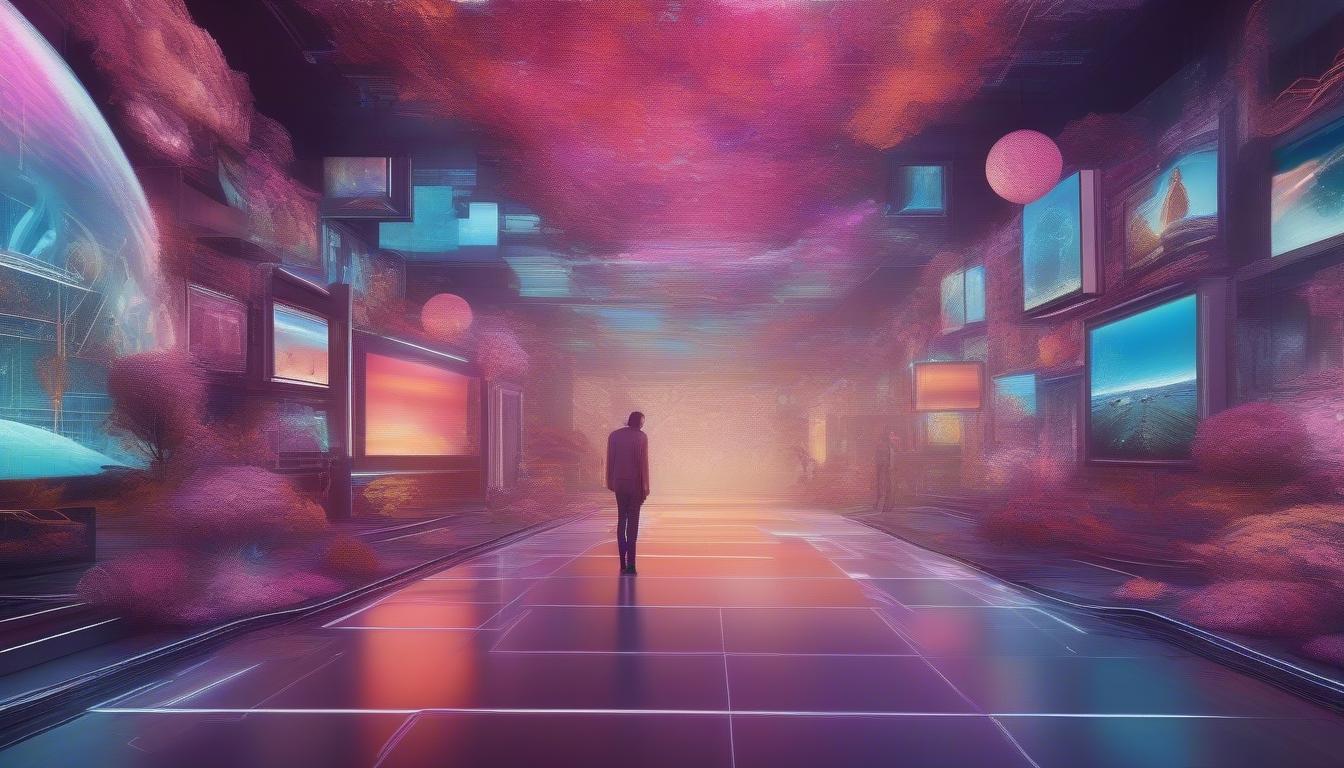
Future Trends: What Lies Ahead for Synthetic Media and Creativity
As technology continues to advance at a rapid pace, the future of synthetic media holds exciting possibilities for creativity and innovation.
Synthetic media, which combines artificial intelligence and machine learning to generate realistic content, is poised to transform how we produce and consume media.
One of the key trends on the horizon is the democratization of content creation, allowing individuals without traditional media expertise to create high-quality visuals, audio, and video effortlessly.
This shift is expected to foster a new wave of creativity, enabling artists, marketers, and developers to experiment with hybrid forms of storytelling that blend reality and imagination.
Furthermore, as ethical considerations around deepfakes and digital copyrights gain traction, we anticipate a growing emphasis on responsible synthetic media use.
This includes the development of regulatory frameworks to ensure transparency and authenticity.
Embracing these trends not only enhances creative possibilities but also encourages a dialogue about the implications of synthetic media in the digital age.
Comments
Post a Comment