In the fast-paced world of filmmaking, innovation is the engine driving creativity and efficiency.
One of the most significant advancements in recent years is virtual production, a cutting-edge technique that blends real-time computer-generated graphics with traditional film production.
This revolutionary approach allows filmmakers to create breathtaking visual experiences while maintaining unparalleled control over their projects.
In this article, we will delve into the definition and key components of virtual production, explore its evolution, highlight its numerous benefits, address the challenges it presents, and showcase successful films that have embraced this game-changing technology.
Join us as we unlock the future of filmmaking and discover how virtual production is reshaping the landscape of the industry.
The BEST AI Screenwriting Tool In Hollywood!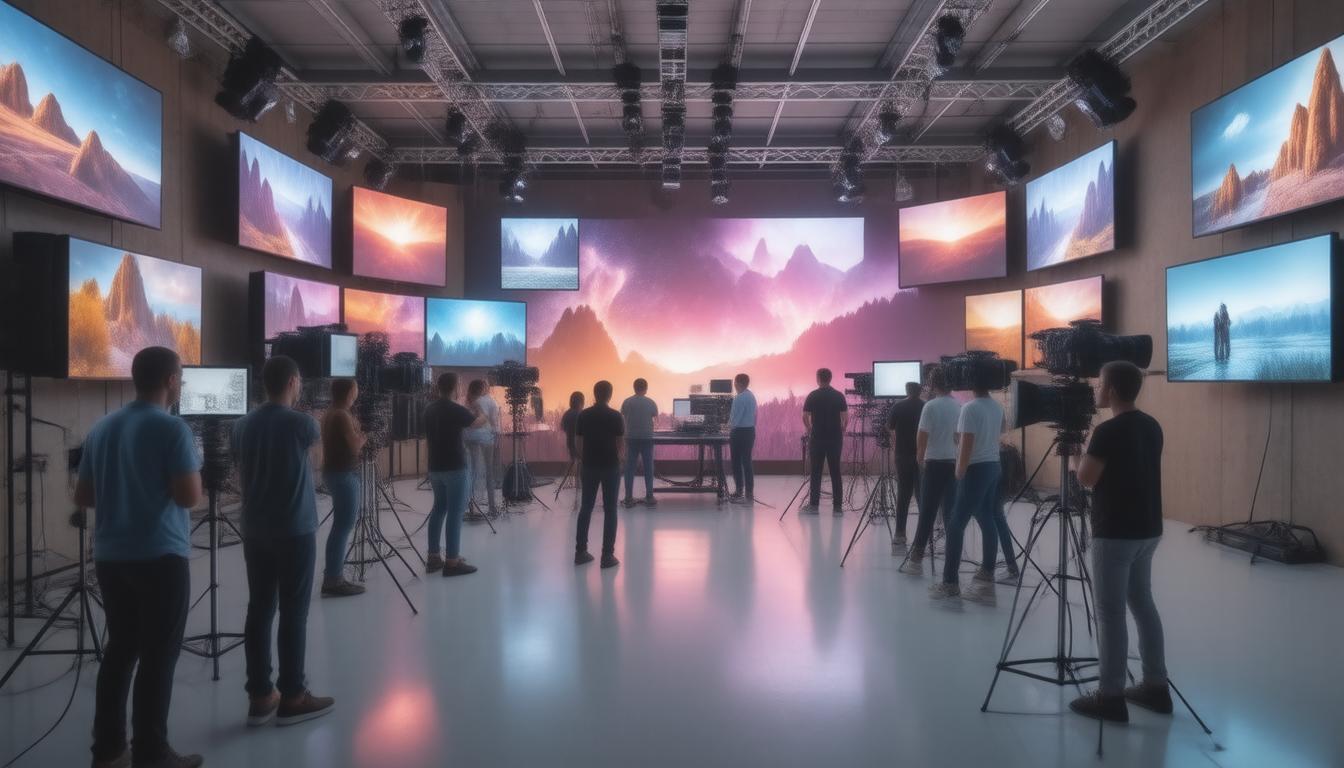
Key Takeaways
- Virtual production integrates digital and physical elements to enhance filmmaking efficiency.
- The technology evolves from traditional techniques, allowing for innovative storytelling methods.
- Filmmakers benefit from cost-effectiveness, flexibility, and real-time collaboration in virtual production.
- Challenges include high initial investment and the need for specialized training for crews.
- Successful films like 'The Mandalorian' showcase the transformative power of virtual production.
Understanding Virtual Production: Definition and Key Components
Virtual production is a groundbreaking approach that leverages advanced technology to streamline the filmmaking process, merging real-time computer graphics with live-action footage.
At its core, virtual production utilizes several key components, including motion capture, real-time rendering, and interactive environments, which allow filmmakers to visualize and manipulate scenes before and during shooting.
By integrating tools such as LED screens displaying dynamic backgrounds, filmmakers can create immersive sets that adapt in real-time to lighting and camera movements, providing a more realistic experience for both the crew and actors.
Understanding virtual production not only enhances creativity and flexibility in storytelling but also significantly reduces post-production time, making it a valuable method in modern cinema and television production.
The Evolution of Filmmaking Techniques Leading to Virtual Production
The evolution of filmmaking techniques has dramatically transformed the way stories are told on the big screen, leading to the rise of virtual production as a frontrunner in the industry.
Initially, filmmakers relied heavily on traditional sets and backdrops, which often required extensive physical resources and time-consuming processes.
However, with advancements in technology, particularly in computer-generated imagery (CGI) and real-time rendering, virtual production has emerged as a revolutionary approach.
By integrating live-action footage with digital environments and elements captured in real-time, filmmakers can now create immersive worlds without the inherent limitations of traditional filming.
This innovation not only expedites the production timeline but also enhances creative possibilities, allowing directors and cinematographers to visualize their projects in a whole new light.
With industry heavyweights such as Disney and Netflix adopting virtual production for major projects, the impact of this technique is undeniable, marking a significant shift in how films are conceptualized, produced, and delivered to audiences worldwide.
'The beauty of virtual production is that it allows filmmakers to create worlds that once only existed in their imaginations, making the impossible possible on screen.' - AnonymousThe BEST AI Screenwriting Tool In Hollywood!
Benefits of Virtual Production for Filmmakers and Production Teams
In recent years, the film industry has witnessed a groundbreaking shift with the advent of virtual production, revolutionizing how filmmakers and production teams bring their creative visions to life.
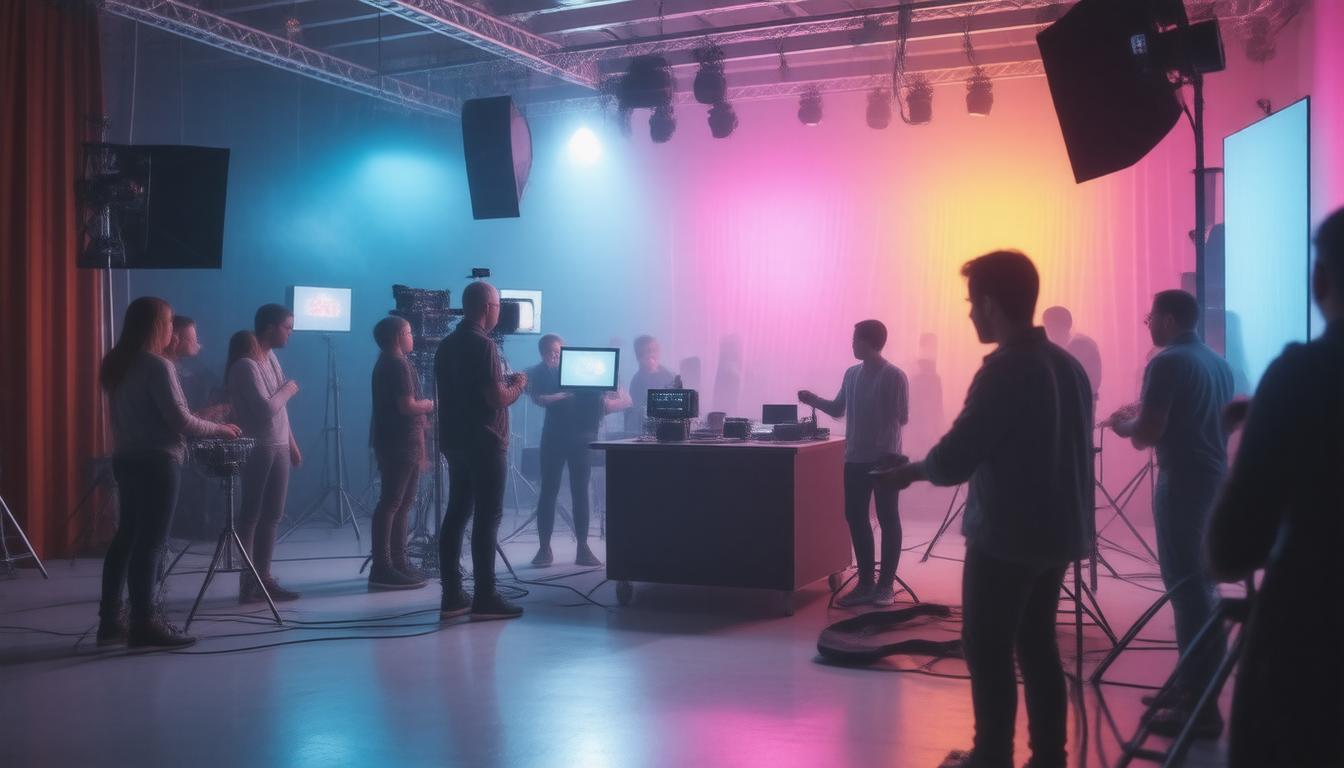
One of the most significant benefits of virtual production is its ability to enhance collaboration among team members, as it allows for real-time adjustments and creative input on set.
This technology also optimizes budget and time management, reducing the need for costly location shoots and extensive post-production work.
By using virtual environments and digital assets, filmmakers can create stunning visuals that would otherwise be impossible or prohibitively expensive to achieve.
Furthermore, virtual production empowers storytellers to experiment boldly with diverse settings and scenarios, sparking innovation and creativity in storytelling.
Overall, the integration of virtual production not only streamlines the filmmaking process but also elevates the overall quality of the final product, making it an invaluable tool for today’s production teams.
Challenges and Limitations of Adopting Virtual Production
Virtual production has become a revolutionary approach in the filmmaking and entertainment industries, blending real-time technology with traditional production techniques.
However, despite its immense potential, there are several challenges and limitations that creators must navigate when adopting virtual production.
One of the prominent issues is the steep learning curve associated with the technology; crew members often need extensive training to effectively utilize real-time engines and interactive tools.
Additionally, the initial investment cost can be substantial, as high-quality motion capture equipment, LED screens, and software licenses are often required, which can be a barrier for independent filmmakers or smaller studios.
Moreover, while virtual production allows for incredibly dynamic shooting environments, it can lead to technical hurdles related to syncing virtual and physical elements, requiring rigorous planning and coordination.
Another aspect to consider is the physical space needed for virtual production, as large soundstages are often necessary to accommodate expansive virtual sets and advanced tracking systems.
Understanding these challenges is crucial for anyone looking to integrate virtual production into their workflow, ensuring that the benefits can be fully realized without falling prey to the inherent limitations of the technology.
Case Studies: Successful Films That Utilized Virtual Production Techniques
Virtual production has revolutionized the filmmaking landscape, enabling creators to blend live action with digital environments seamlessly.
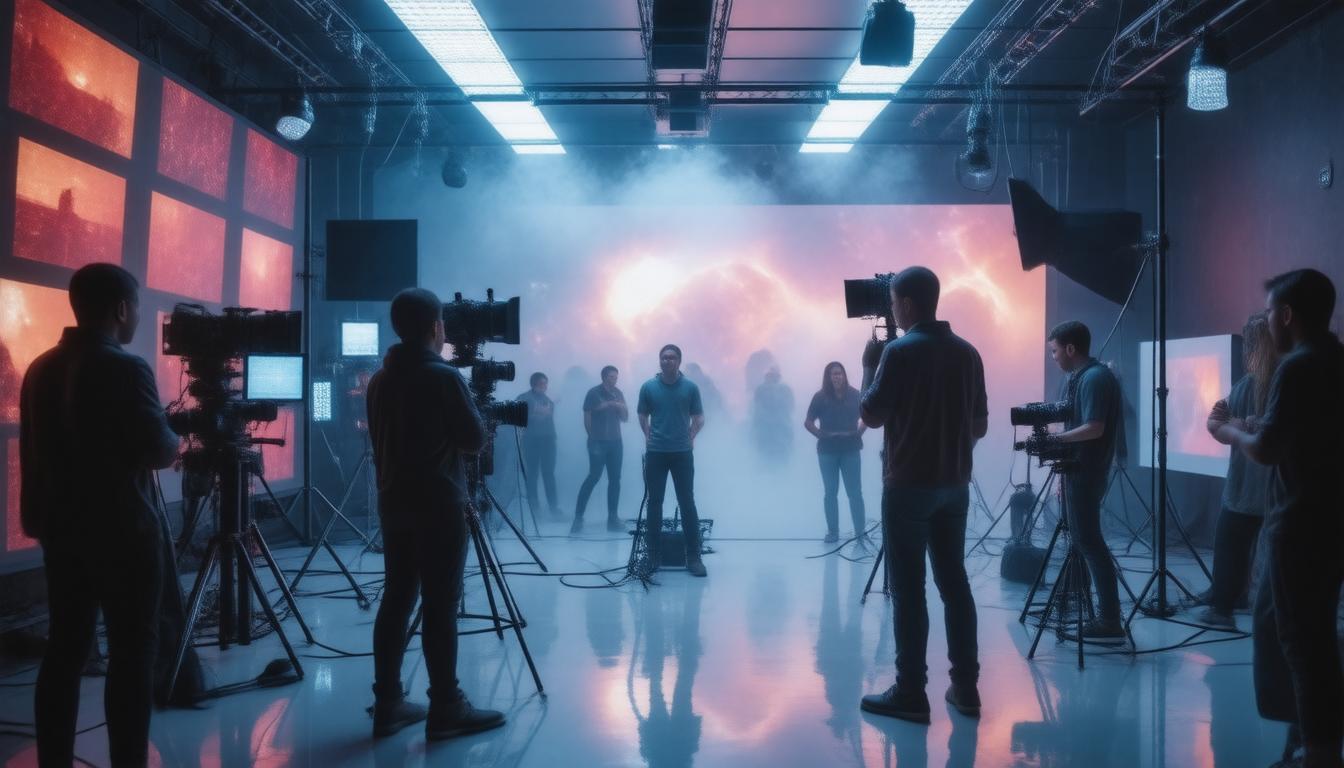
One of the most notable case studies illustrating the successful use of virtual production techniques is the series 'The Mandalorian.' Utilizing the innovative StageCraft technology from Industrial Light & Magic, the show employs massive LED screens to project realistic backgrounds and environments, allowing actors to perform in real-time against these vivid backdrops.
This not only enhances visual authenticity but also grants filmmakers unparalleled flexibility and efficiency during shooting.
Another exemplary case is Disney’s 'The Lion King,' where virtual production played a pivotal role in creating photorealistic animations that brought the beloved characters to life.
The integration of virtual cameras and live data allowed directors to manipulate camera angles as if filming in a physical space, resulting in a dynamic storytelling experience.
Such successful films demonstrate that virtual production is not just a trend; it's an essential tool that can elevate cinematic storytelling, ensuring filmmakers can push creative boundaries while maintaining high standards of production quality.
Comments
Post a Comment