In recent years, the technological landscape has been dramatically transformed by the advent of Generative AI.
This innovative facet of artificial intelligence has not only revolutionized the way we approach problem-solving, but it has also become a game-changer in the realms of art and creativity.
By harnessing the power of algorithms and vast datasets, Generative AI enables the creation of unique art forms and innovative solutions, pushing the boundaries of traditional creativity.
In this article, we delved into the exciting world of Generative AI, exploring its impact on artistic creation, successful case studies, as well as the challenges and ethical considerations that arise.
Moreover, we discuss the future prospects of Generative AI, emphasizing how this groundbreaking technology promises to reshape innovation across various industries.
The BEST AI Screenwriting Tool In Hollywood!
Key Takeaways
- Generative AI is redefining traditional boundaries of creativity and artistic expression.
- Artists are harnessing Generative AI as a powerful tool to enhance their creative processes.
- Successful case studies highlight the transformative potential of Generative AI in various art forms.
- Ethical considerations and challenges must be addressed as Generative AI technology evolves.
- The future holds exciting possibilities for Generative AI to innovate across diverse industries beyond art.
Understanding Generative AI: A New Frontier in Technology
Generative AI is rapidly emerging as a transformative force in the tech landscape, reshaping the way we create and interact with digital content.
This innovative branch of artificial intelligence focuses on generating new data by learning from existing datasets, enabling machines to produce text, images, music, and even code that resembles human-created works.
Unlike traditional AI, which primarily analyzes data to make predictions, generative AI goes a step further by synthesizing new outputs that can be strikingly original.
As organizations across various sectors—ranging from entertainment to healthcare—begin to harness the power of generative AI, its applications continue to expand, sparking discussions about creativity, ethics, and the future of work.
Furthermore, the capabilities of generative AI tools, such as OpenAI's ChatGPT or DALL-E, showcase their potential to enhance productivity, streamline workflows, and inspire new forms of artistic expression, making it an intriguing area for professionals and enthusiasts alike.
The Impact of Generative AI on Artistic Creation
Generative AI is revolutionizing the landscape of artistic creation by blending technology with creativity in unprecedented ways.
Artists and designers are increasingly leveraging generative AI tools to enhance their creative processes, enabling them to explore new styles, generate innovative concepts, and experiment with forms that were once unimaginable.
This technology, which utilizes algorithms to produce art, has sparked debates about creativity, authenticity, and the role of the artist in the digital age.
Not only does generative AI allow for the rapid generation of visuals or music, but it also provides artists with the ability to collaborate with machines, leading to a fusion of human intuition and computational power.
As the art world continues to embrace generative AI, it is essential to consider its implications on artistic expression, intellectual property rights, and the future of creativity itself.
'Creativity is intelligence having fun.' - Albert EinsteinThe BEST AI Screenwriting Tool In Hollywood!
Case Studies: Successful Integrations of Generative AI in Art
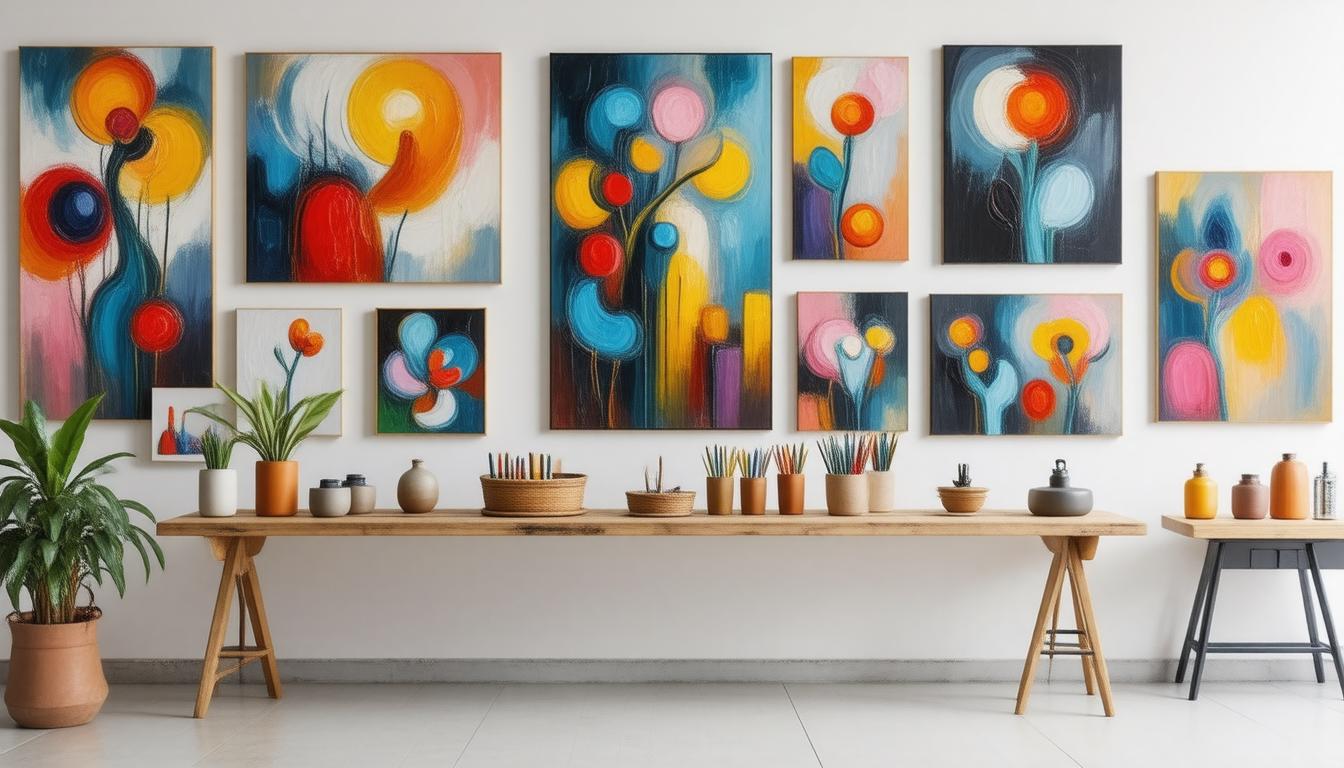
The advent of Generative AI has revolutionized the art world, giving rise to innovative projects that showcase the remarkable synergy between technology and creativity.
One prominent example is the collaboration between artist Refik Anadol and generative algorithms, where he transformed massive datasets into mesmerizing visual experiences.
His piece 'Infinity Room,' which utilizes AI to create an immersive environment filled with shifting patterns and colors, exemplifies how generative AI can push the boundaries of traditional art forms.
Similarly, the renowned artist Sougwen Chung integrates her unique drawing style with a generative AI system to create dynamic artworks that respond to her movements in real time.
These case studies not only highlight the versatile applications of generative AI but also underline its potential to inspire and engage audiences in unprecedented ways.
As more artists experiment with this technology, the future of art creation is being redefined, allowing for fascinating explorations of human emotion and machine intelligence.
Challenges and Ethical Considerations in Generative AI Art
As the use of generative AI in art continues to flourish, it brings to light a myriad of challenges and ethical considerations that creators and consumers alike must navigate.
One primary concern is the originality of AI-generated works, as these systems often learn from existing art, raising questions about copyright infringement and intellectual property rights.
Artists might find it difficult to distinguish their own voice in a landscape populated by algorithmically produced pieces, leading to fears of devaluation of original creativity.
Moreover, the potential for misuse of generative AI to create deepfakes or misleading content urges a deeper discussion about the responsibility of creators in ensuring ethical practices.
As the community explores the vast capabilities of generative AI, fostering a culture of transparency and accountability will be crucial in addressing these challenges and ensuring a respectful coexistence between traditional and AI-driven artistic expressions.
Future Prospects: How Generative AI Will Shape Innovation Across Industries
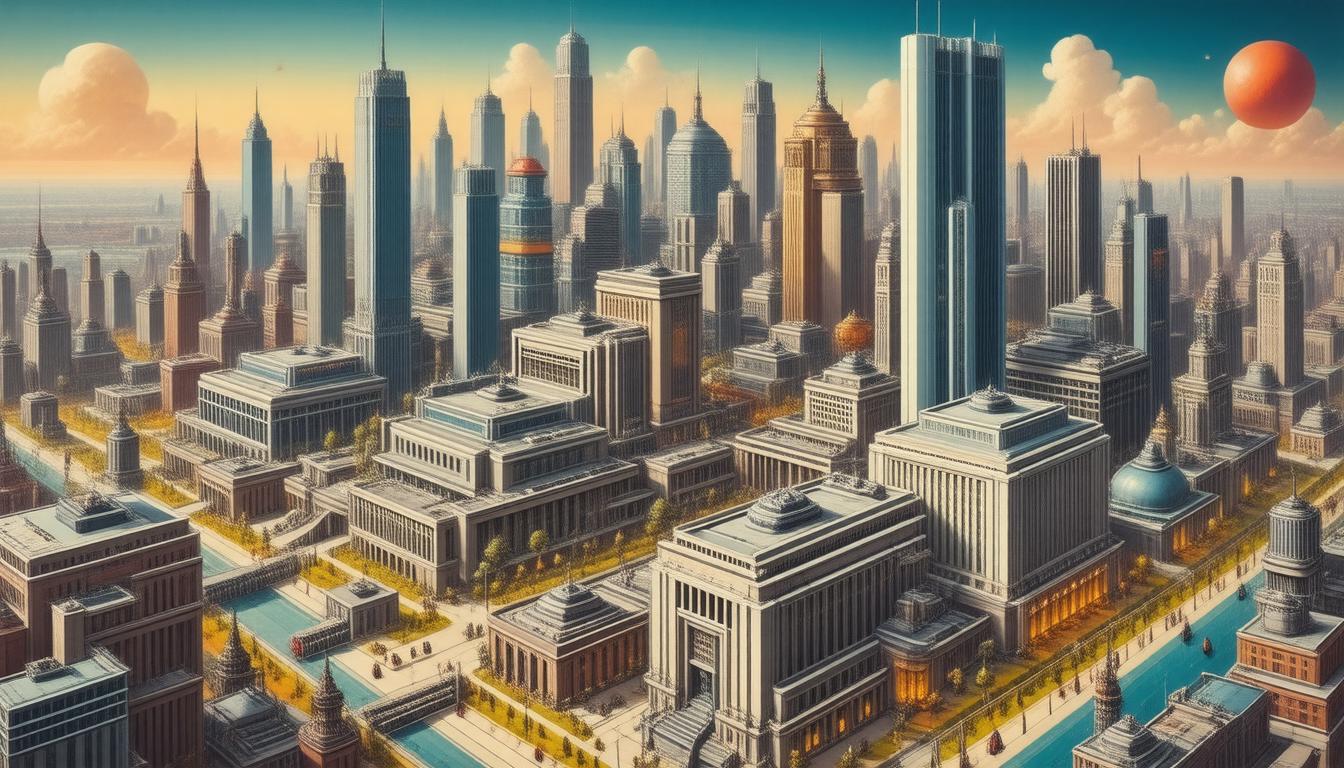
As industries continue to evolve at a rapid pace, Generative AI stands poised to play a pivotal role in shaping future innovations across various sectors.
This cutting-edge technology, which empowers algorithms to produce new content, designs, and solutions that mimic human creativity, is revolutionizing fields such as healthcare, education, manufacturing, and entertainment.
For instance, in the healthcare industry, Generative AI is being utilized to develop personalized treatment plans and discover new drugs by simulating molecular combinations, thus enhancing patient outcomes.
In education, this technology facilitates the creation of adaptive learning platforms that tailor educational content to meet individual student needs, promoting a more engaging and effective learning experience.
Moreover, the manufacturing sector is leveraging Generative AI to optimize design processes, reduce material waste, and expedite production timelines, allowing for greater efficiency and sustainability.
The potential of Generative AI is not confined to these examples; its application is expansive and continues to grow.
Industries that adopt this transformative technology early on could gain a significant competitive edge, leading to innovative solutions that meet the changing demands of consumers and enhance operational capabilities.
As we move forward, the trajectory of Generative AI will undoubtedly influence how businesses innovate and adapt, making it an essential component of future industry strategies.
Comments
Post a Comment