In recent years, AI filmmaking has emerged as a groundbreaking force within the cinematic landscape, fundamentally transforming how stories are conceived and brought to life on screen.
As technology continues to advance, filmmakers are harnessing the capabilities of artificial intelligence to enhance creativity, streamline production processes, and deepen audience engagement.
This article delves into the nuances of AI filmmaking—exploring its definition and evolution, examining its transformative impact on scriptwriting and story development, analyzing its role in cinematic techniques and production processes, and considering its influence on the viewing experience.
We will also venture into the future prospects of AI integration in cinema, painting a picture of what audiences can expect as this technology continues to evolve.
Join us as we explore how AI filmmaking is revolutionizing modern storytelling and shaping the narratives of tomorrow.
The BEST AI Screenwriting Tool In Hollywood!
Key Takeaways
- AI filmmaking is transforming traditional definitions of storytelling in cinema.
- Scriptwriting and story development are increasingly aided by AI tools, enhancing creativity and efficiency.
- Cinematic techniques and production processes are becoming more sophisticated through AI integration.
- AI influences audience engagement by personalizing viewing experiences and recommendations.
- The future of film will likely see deeper integration of AI, impacting every stage from conception to distribution.
Understanding AI Filmmaking: Definition and Evolution
AI filmmaking refers to the integration of artificial intelligence technologies in the creative processes of film production, from development and scriptwriting to editing and special effects.
This innovative approach combines machine learning, data analysis, and automation to enhance the efficiency and creativity of filmmakers.
The evolution of AI filmmaking has been remarkable; it has shifted from basic algorithmic techniques used in editing to sophisticated systems capable of generating scripts and even composing music.
As technology advances, AI filmmaking seeks to assist filmmakers by providing insights into audience preferences, streamlining pre-production tasks, and optimizing production schedules.
By embracing AI, the film industry is not only transforming traditional practices but also paving the way for a new era of storytelling, where humans and machines collaborate in unprecedented ways to create captivating cinematic experiences.
How AI is Changing Scriptwriting and Story Development
AI filmmaking is revolutionizing the traditional landscape of scriptwriting and story development, introducing innovative tools that enhance creativity and streamline the writing process.
Gone are the days when writers solely relied on their imagination; today, artificial intelligence algorithms can analyze vast amounts of data from successful screenplays to assist writers in crafting compelling narratives.
For instance, AI tools can provide suggestions for character development, plot progression, and even dialogue, allowing writers to explore new angles and ideas that they might not have considered.
Furthermore, AI can help identify trends in audience preferences by analyzing viewer reactions to past films, enabling creators to tailor their stories to align with what resonates effectively with their target demographic.
As AI continues to evolve, it is becoming an invaluable partner in the filmmaking industry, empowering writers to push the boundaries of storytelling while maintaining their unique creative voice.
'The art challenges the technology, and the technology inspires the art.' - John LasseterThe BEST AI Screenwriting Tool In Hollywood!
The Role of AI in Cinematic Techniques and Production Processes
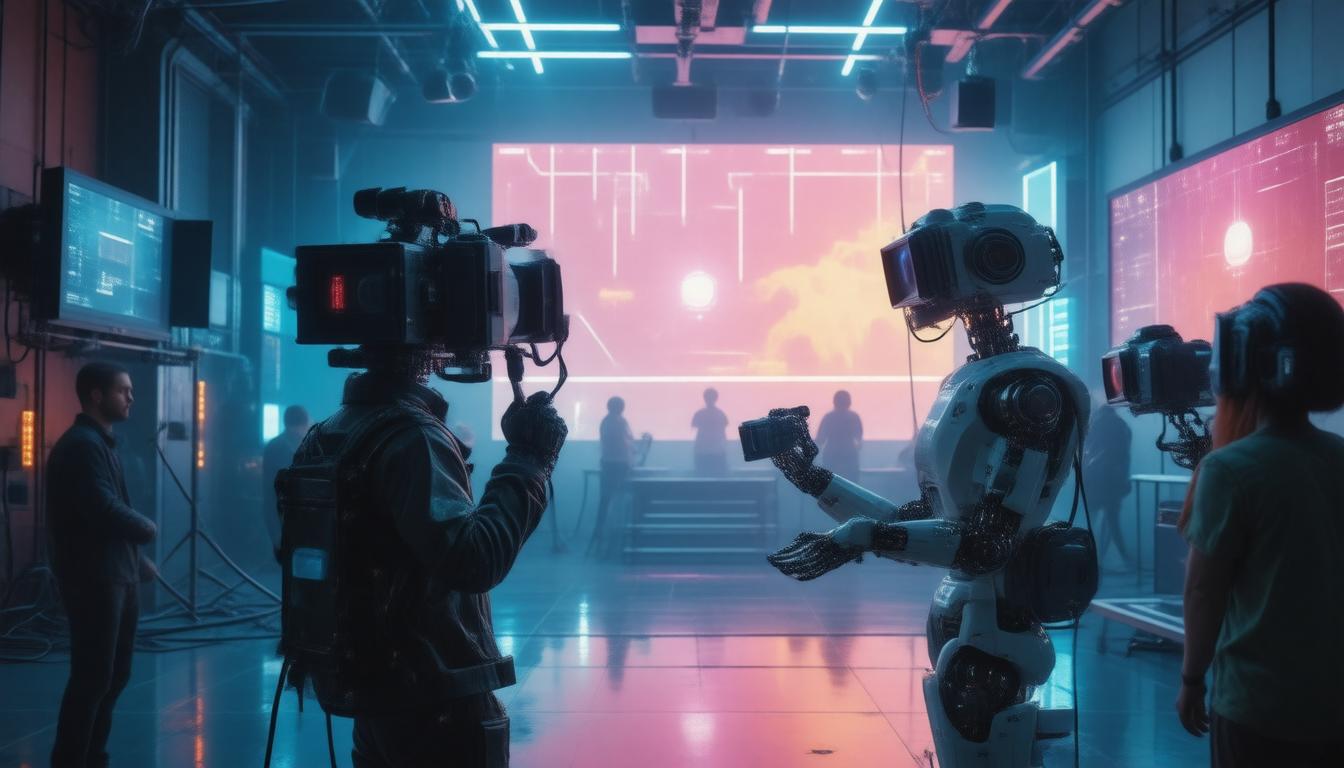
The integration of AI filmmaking in the modern cinematic landscape has sparked a revolution in how films are conceptualized, produced, and edited.
With advanced algorithms and machine learning capabilities, AI enhances various aspects of the filmmaking process, from scriptwriting to post-production.
For instance, AI-driven tools can analyze audience preferences and trends, providing filmmakers with valuable insights that inform story development.
In the production realm, AI technology assists in managing schedules, budgeting, and even casting decisions, ultimately streamlining workflows and reducing costs.
Furthermore, post-production benefits from AI applications in video editing and visual effects, where algorithms can automate tedious tasks, allowing editors to focus on creative decisions.
As the film industry continues to embrace these cutting-edge innovations, AI filmmaking stands poised to not only improve efficiency but also push the boundaries of narrative storytelling and audience engagement.
Audience Engagement: AI's Influence on Viewing Experience
In recent years, AI filmmaking has dramatically transformed the way audiences engage with content.
By leveraging advanced algorithms, filmmakers can analyze viewer preferences and tailor narratives to create highly immersive experiences.
This technology not only allows for personalized recommendations, which keep viewers hooked on platforms, but also assists in crafting stories that resonate deeply with audiences.
For instance, using data analytics, creators can determine which plot points evoke strong emotional responses, thus enhancing the overall viewing experience.
Additionally, AI-driven tools enable the optimization of technical elements such as editing and sound design, ensuring that each film captivates viewers from start to finish.
As AI continues to evolve, its influence on audience engagement will undoubtedly reshape the landscape of modern filmmaking, offering a more interactive and relatable cinematic journey.
Future Prospects: The Next Era of AI Integration in Cinema
As we look ahead, the future prospects of AI filmmaking promise to revolutionize the cinema landscape in unprecedented ways.
The integration of advanced artificial intelligence technologies is set to enhance various creative processes, from scriptwriting to post-production.
By employing AI-driven tools for analyzing audience preferences and predicting box office success, filmmakers can create content that resonates more deeply with viewers.
Moreover, AI is making waves in visual effects and animation, streamlining workflows, and enabling innovative techniques that were once limited by budget or technology.
As the industry embraces these advancements, we can expect an era where storytelling is not only richer but also more interactive, blending traditional filmmaking with immersive experiences that engage audiences like never before.
The synergy of creativity and technology in AI filmmaking represents a thrilling frontier that will redefine how we experience stories on the big screen.
Comments
Post a Comment