In today's fast-paced digital landscape, the demand for stunning, immersive visuals in gaming and simulations is higher than ever.
At the heart of this visual experience lies a critical technology: real-time rendering.
This article will delve into the basics of real-time rendering, explore key techniques to enhance visual quality, discuss performance optimization strategies, introduce essential tools and software, and examine future trends in real-time rendering technology.
Whether you're a budding game developer, a simulation enthusiast, or simply curious about the technology behind your favorite visuals, mastering real-time rendering concepts will significantly elevate your understanding and appreciation of this fascinating field.
The BEST AI Screenwriting Tool In Hollywood!
Key Takeaways
- Real-time rendering is essential for delivering immersive experiences in gaming and simulations.
- Key techniques like efficient lighting and shading can significantly improve visual quality.
- Performance optimization strategies, such as level of detail and culling, are crucial for maintaining a smooth frame rate.
- Utilizing advanced tools and software can streamline the real-time rendering process and enhance creativity.
- Emerging trends in real-time rendering technology will continue to shape the future of interactive media.
Understanding Real-Time Rendering Basics
Real-time rendering is a crucial component in the world of computer graphics and game development, allowing for the instantaneous generation of images directly rendered from 3D models and environments.
This technology is essential for creating immersive experiences in video games, virtual reality, and simulations where visual feedback needs to be provided without noticeable delays.
At its core, real-time rendering utilizes a variety of techniques to optimize the rendering process, ensuring that frames are displayed quickly enough to maintain fluid motion, usually targeting 60 frames per second or higher.
Understanding the basics of real-time rendering involves familiarizing oneself with concepts such as frame rate, rendering pipelines, and the balance between graphical fidelity and performance, enabling developers to produce captivating interactive experiences that engage users effectively.
Key Techniques for Enhanced Visual Quality
When it comes to achieving stunning visual quality in digital environments, employing key techniques for enhanced visual quality is essential, especially in the realm of real-time rendering.
Real-time rendering refers to the process of generating graphics in a way that allows for immediate feedback and interaction, making it crucial for applications like video games, simulations, and virtual reality.
To elevate the visual quality in real-time rendering, techniques such as screen space reflections, ambient occlusion, and physically-based rendering can be utilized.
Screen space reflections offer a more dynamic and realistic reflection of objects, while ambient occlusion enhances depth perception by simulating how light interacts with surfaces.
Additionally, incorporating physically-based rendering ensures that materials are depicted with authentic physical properties, leading to more believable scenes.
As developers continue to innovate, mastering these techniques will remain a pivotal factor in pushing the boundaries of what real-time rendering can achieve.
'The art of real-time rendering is not just in the technology used, but in the ability to create immersive experiences that transcend the virtual and become an extension of our imagination.'The BEST AI Screenwriting Tool In Hollywood!

Performance Optimization Strategies
Performance optimization is a crucial aspect of graphic rendering, particularly when it comes to real-time rendering applications such as video games and simulations.
To achieve smooth and immersive experiences, developers employ a variety of strategies that focus on minimizing latency and maximizing frame rates.
One effective strategy is level of detail (LOD) management, which involves adjusting the complexity of the 3D models based on their distance from the camera.
Closer objects are rendered in full detail, while distant objects are simplified, conserving processing power.
Another important technique is occlusion culling, which prevents the rendering engine from processing objects that are not currently visible to the camera, thereby improving efficiency.
Additionally, utilizing powerful graphic APIs like DirectX and Vulkan can aid in managing resources more effectively, allowing for better performance during real-time rendering.
By integrating these optimization strategies, developers can enhance the visual quality and responsiveness of their applications, ensuring a captivating user experience.
Tools and Software for Real-Time Rendering
Real-time rendering is an essential aspect of modern computer graphics, greatly enhancing the quality and speed of visual outputs in various applications including video games, simulations, and architectural visualizations.
To achieve impressive results in real-time rendering, multiple tools and software solutions are available, each catering to different needs and skill levels.
Popular game engines like Unity and Unreal Engine stand out due to their robust rendering capabilities and extensive asset libraries, allowing developers to create visually stunning immersive experiences.
Additionally, software such as Blender and Autodesk Maya integrates real-time rendering features, making it easier for artists to visualize their work.
Moreover, emerging technologies like NVIDIA's RTX graphics cards leverage real-time ray tracing to deliver highly realistic lighting and shadow effects.
As the demand for high-quality graphics continues to rise, exploring these tools and software is crucial for anyone looking to excel in the realm of real-time rendering.
Future Trends in Real-Time Rendering Technology
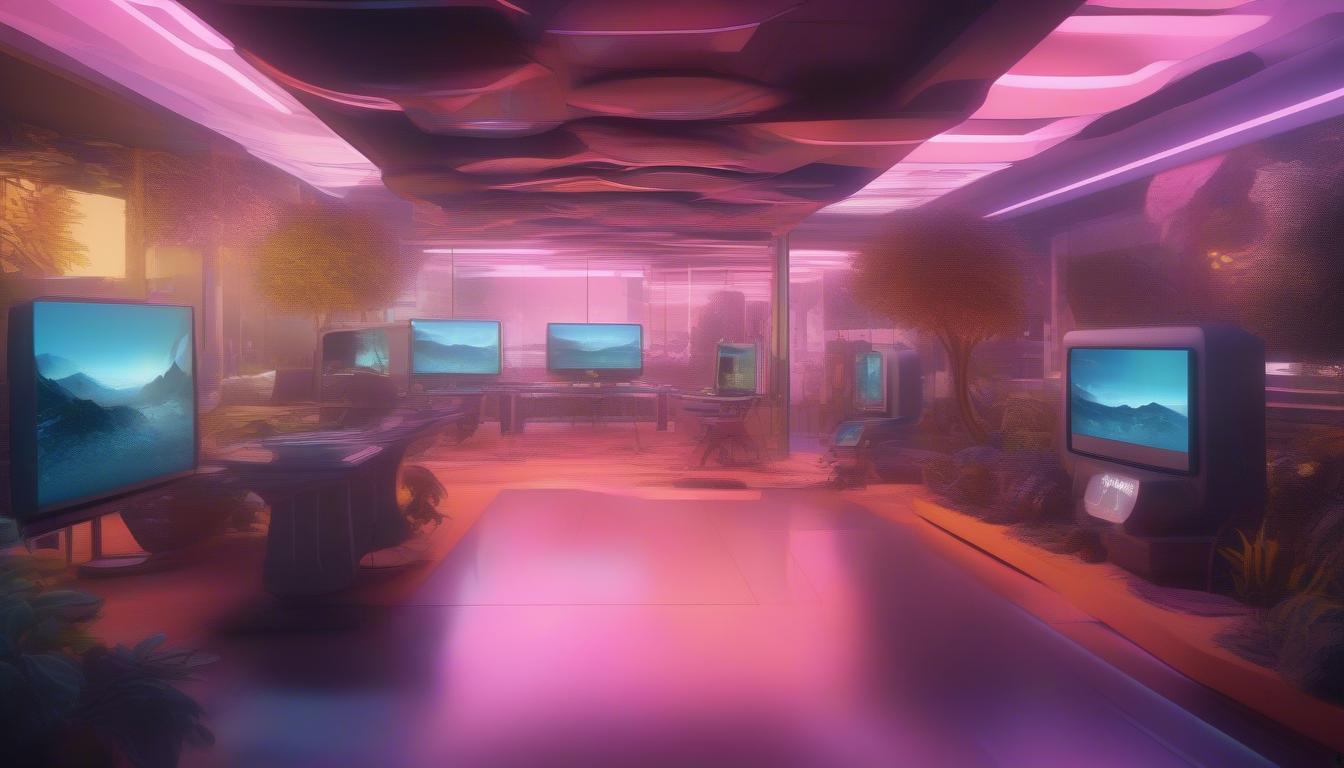
As technology continues to evolve, the landscape of real-time rendering is set to experience groundbreaking advancements that will transform various industries, including gaming, film, and virtual reality.
One of the most significant future trends in real-time rendering technology is the integration of artificial intelligence (AI).
AI algorithms are poised to improve rendering efficiency by automating texture creation and optimizing scene rendering, leading to faster processing times and enhanced visual quality.
Furthermore, the rise of ray tracing in real-time rendering marks a pivotal shift towards achieving photorealistic graphics.
As hardware becomes more powerful and accessible, even mainstream gaming platforms will increasingly incorporate ray tracing techniques, allowing developers to create visually stunning environments that were previously only possible in pre-rendered content.
Additionally, advancements in cloud computing will enable collaborative real-time rendering, allowing multiple users to work on high-fidelity projects from different locations without the burden of requiring local high-end hardware.
These trends underline the ever-growing importance of real-time rendering across multiple sectors, promising richer user experiences and increasingly immersive environments in the near future.
Comments
Post a Comment