In an era where technology shapes the way stories are told and consumed, mastering digital filmmaking has become more accessible and exciting than ever.
Whether you're an aspiring filmmaker or a seasoned professional looking to refresh your skills, understanding the intricacies of digital filmmaking can elevate your creative vision.
This comprehensive guide will take you through the essential components of digital filmmaking, from choosing the right equipment to mastering cinematography, and will even touch on the critical aspects of post-production and distribution.
Let's dive in and discover how to bring your unique narrative to life in the digital realm.
The BEST AI Screenwriting tool on the Market!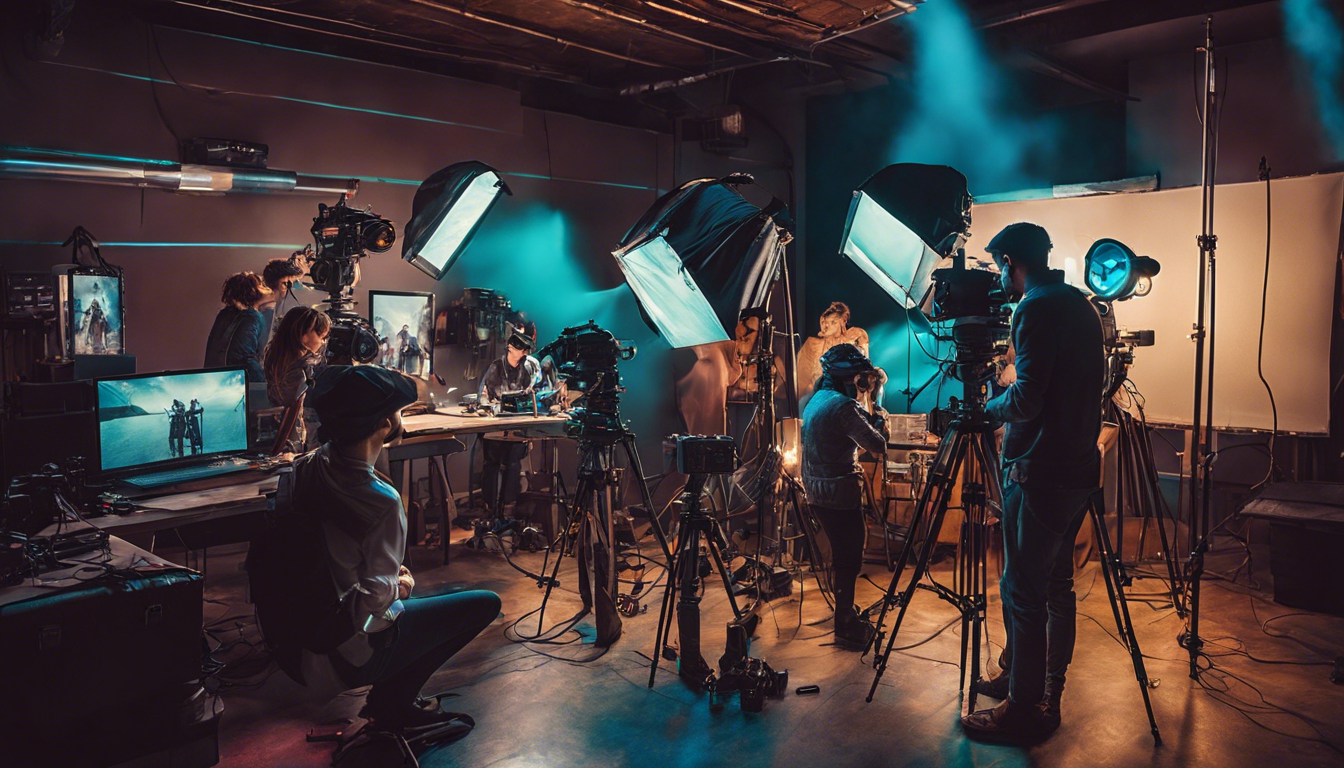
Key Takeaways
- Digital filmmaking combines creativity and technology to tell compelling stories.
- Investing in the right filmmaking equipment is crucial for achieving high-quality results.
- A well-developed script and storyboard are the backbones of any successful film project.
- Mastering cinematography techniques is essential for capturing stunning visuals that engage audiences.
- Effective marketing and distribution strategies are key to getting your digital film seen by viewers.
Introduction to Digital Filmmaking
Digital filmmaking has revolutionized the way we create and consume visual stories, making the art more accessible than ever.
Unlike traditional celluloid film, digital filmmaking employs electronic sensors to capture images, offering a multitude of benefits including lower costs, immediate playback, and the ability to edit with advanced software.
Aspiring filmmakers can now experiment with high-quality equipment that was once available only to studios, thanks to affordable digital cameras and editing tools.
This democratization of the filmmaking process has fostered a new generation of storytellers, allowing them to express their creativity and share their voices with a global audience.
Whether you’re a novice looking to create your first short film or an experienced pro wanting to transition to digital, understanding the foundational elements of digital filmmaking is essential for success in today’s cinematic landscape.
Understanding the Essentials of Filmmaking Equipment
When diving into the world of digital filmmaking, understanding the essential equipment is crucial for both novice and seasoned filmmakers.
At the heart of digital filmmaking lies the camera, which is the primary tool for capturing high-quality footage.
Modern digital cameras come equipped with impressive sensors and recording capabilities that allow filmmakers to achieve cinematic results reminiscent of traditional film.
Additionally, a good digital filmmaker must also consider lenses, as they play a vital role in determining the depth of field and overall image quality.
Supporting equipment such as tripods, stabilizers, and lighting rigs are equally important, as they enhance the production process and contribute to the visual storytelling.
Audio equipment shouldn't be overlooked either; high-quality microphones ensure that the sound complements the stunning visuals captured during filming.
By familiarizing oneself with these essentials of digital filmmaking equipment, aspiring filmmakers can create compelling narratives while effectively utilizing the technology available today.
'The best way to predict the future is to create it.' – Peter Drucker
Developing a Strong Script and Storyboard
Developing a strong script and storyboard is a crucial foundation in the realm of digital filmmaking.
The script acts as the blueprint for your film, detailing character arcs, dialogue, and scenes that will ultimately bring your vision to life.
A well-crafted script not only engages your audience but also conveys the narrative effectively, ensuring that each moment resonates emotionally.
Following the script, the storyboard serves as a visual representation of how the film will unfold, providing a frame-by-frame depiction that guides both the director and the cinematographer during production.
This visual schematic captures camera angles, shot composition, and scene transitions, making it an indispensable tool in digital filmmaking.
By investing time in these preliminary stages, filmmakers can significantly enhance the production process, resulting in a cohesive and impactful final product that captivates viewers.
The BEST AI Screenwriting tool on the Market!
Cinematography Techniques for Stunning Visuals
In the realm of digital filmmaking, utilizing advanced cinematography techniques is essential for capturing stunning visuals that resonate with audiences.
One of the foundational aspects is the effective use of lighting, which can transform a scene's mood and emphasize different emotions.
For instance, natural lighting creates an authentic feel, whereas dramatic lighting can heighten tension or intrigue.
Additionally, camera angles play a critical role; wide shots can establish a setting, while close-ups bring viewers into the intimacy of a character's experience.
With the advent of digital tools, filmmakers can also experiment with depth of field, allowing for sharp focus on subjects while elegantly blurring backgrounds, thereby directing the viewer's attention.
Incorporating movement through techniques like tracking shots or steady-cam work can enhance storytelling, creating a dynamic flow that captivates the audience.
By mastering these cinematography techniques, digital filmmaking not only elevates visual storytelling but also ensures a compelling narrative that stays with viewers long after the credits roll.
Post-Production: Editing, Sound, and Visual Effects
Post-production is a crucial phase in the digital filmmaking process, often determining the final quality and impact of a film.
This stage involves a variety of tasks, including editing, sound design, and visual effects, all of which work together to create a polished final product.
Editing brings the story to life by selecting the best takes, cutting unnecessary footage, and ensuring pacing and flow.
In digital filmmaking, editors often use advanced software that allows for precise control over every frame, enabling them to craft a narrative that resonates with viewers.
Sound design is equally important, as it includes dialogue editing, sound effects, and scoring, all of which enhance the emotional depth of the film.
In the realm of digital filmmaking, high-quality sound can elevate a production from mediocre to extraordinary.
Lastly, visual effects (VFX) can transform a standard film into a visual spectacle, allowing filmmakers to create imaginative worlds and captivating sequences that would be impossible to capture with live-action alone.
By effectively integrating these elements, filmmakers can take full advantage of digital filmmaking technologies to craft compelling stories that leave a lasting impression.
Comments
Post a Comment