Cinematography is the art and science of capturing images that tell a story, and mastering this craft is essential for any aspiring filmmaker.
Whether you've just started or are looking to enhance your skills, understanding the fundamentals of cinematography can significantly elevate your filmmaking prowess.
In this article, we will delve into the core components of cinematography, various techniques, and equipment that can help you create stunning visual narratives.
From the essentials of composition and lighting to the nuances of camera movement and post-production, this guide will equip you with valuable insights to enhance your cinematic creations.
The BEST AI Screenwriting tool on the Market!
Key Takeaways
- Mastering the fundamentals of cinematography is crucial for creating visually compelling films.
- Investing in essential equipment can significantly enhance your cinematography skills.
- Effective composition and framing techniques can transform the viewer's experience of your film.
- Understanding and applying lighting techniques drastically impacts the mood and tone of your scenes.
- Incorporating camera movement thoughtfully can enrich storytelling and engage the audience.
Understanding the Fundamentals of Cinematography
Cinematography is the art and science of capturing visual images for film and video.
Understanding the fundamentals of cinematography involves mastering various elements that contribute to the visual storytelling process, including composition, lighting, and camera movement.
Composition refers to the arrangement of elements within the frame, which guides the viewer’s focus and enhances the narrative.
Lighting is another crucial aspect; it sets the mood and tone of a scene, highlighting certain features while shrouding others in shadow.
Furthermore, camera movement can significantly impact how a story is perceived, whether through smooth tracking shots that immerse the viewer in the action or abrupt cuts that create tension.
By delving into these foundational components, filmmakers can elevate their storytelling capabilities, making cinematography an essential skill for anyone serious about creating engaging visual content.
Essential Equipment for Every Cinematographer
Cinematography is the art of capturing visual imagery through a camera, and having the right equipment is essential for achieving stunning results.
A cinematographer’s toolkit goes beyond just a camera; it includes a variety of essential gear that enhances the storytelling process.
First and foremost, a high-quality camera is the foundation of cinematography, whether it’s a DSLR, mirrorless, or cinema camera designed specifically for filming.
In addition to the camera, lenses play a critical role in determining the aesthetic of the shot—interchangeable lens systems allow cinematographers to use wide-angle, telephoto, and macro lenses to create a diverse range of looks.
Lighting equipment is also crucial; softboxes and LED panels can shape and intensify the atmosphere, while reflectors help manipulate natural light.
Tripods and stabilizers, including gimbals, ensure smooth and steady shots, which are vital in maintaining visual integrity during movement.
Lastly, sound equipment, such as external microphones and audio recorders, complement the visuals to deliver a polished final product.
With these essential pieces of equipment, any aspiring cinematographer can effectively bring their creative vision to life.
'In a way, filming is really about hunting for the best way to communicate a story through light, composition, and movement.' - Roger Deakins
Techniques for Effective Composition and Framing
Cinematography plays a crucial role in the storytelling process of filmmaking, and mastering the techniques for effective composition and framing can significantly elevate your visual narrative.
One of the foundational techniques is the use of the rule of thirds, which involves dividing the frame into a grid of nine equal parts and positioning key elements along these lines or their intersections.
This method not only creates balance but also guides the viewer's eye to the most important parts of the scene.
Additionally, employing leading lines can enhance depth and draw attention to the subject, while careful consideration of negative space can isolate the subject and evoke emotion.
Angles and perspectives are also pivotal in cinematography; experimenting with high or low angles can change the viewer's perception and can enhance the storytelling.
Variations in shot size, from wide shots that establish the environment to close-ups that explore characters’ emotions, also contribute to a dynamic composition.
Ultimately, understanding and implementing these techniques will not only refine your cinematography skills but will also ensure that your visual storytelling resonates with your audience.
The BEST AI Screenwriting tool on the Market!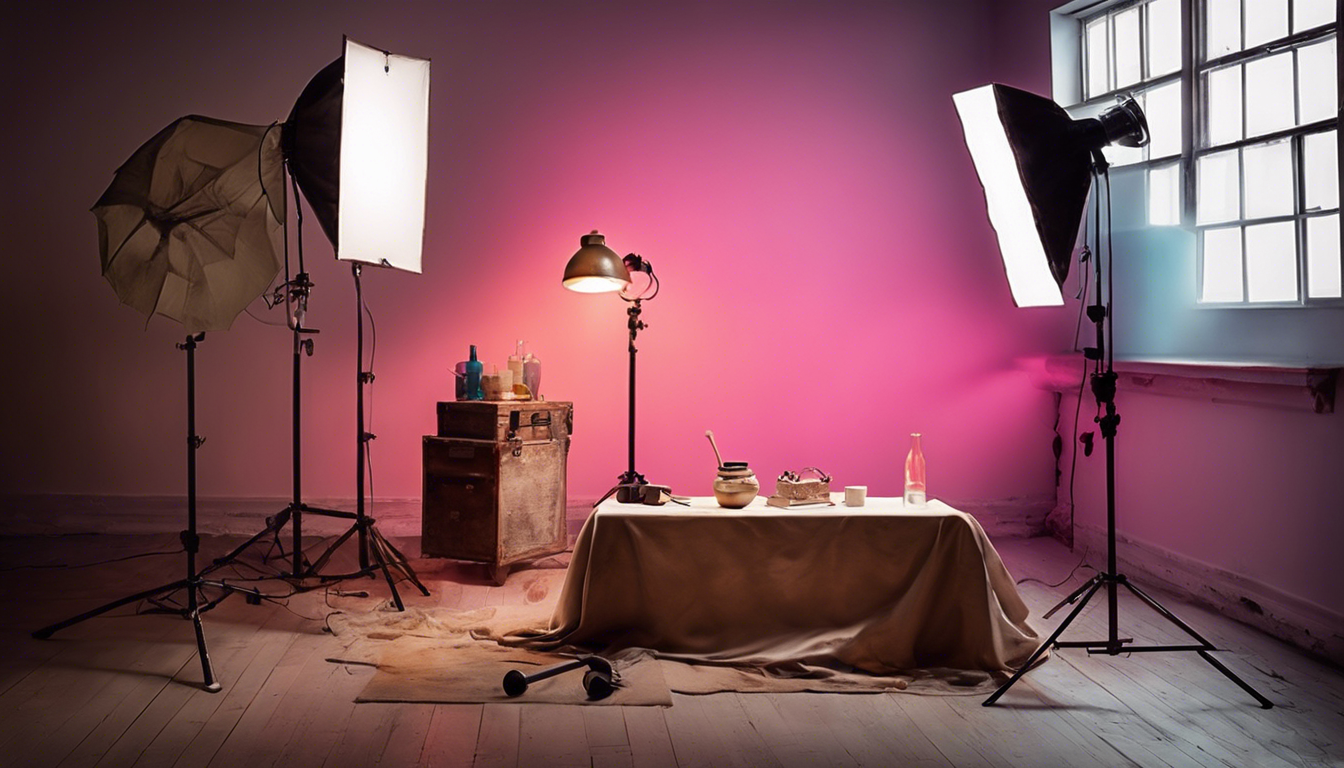
Exploring Lighting Techniques and Their Impact
In the captivating world of cinematography, lighting is not just a technical necessity but an art form that can dramatically influence a film's atmosphere and narrative.
Exploring various lighting techniques reveals how critical they are in shaping the viewer's experience.
For instance, natural lighting can create a sense of realism, immersing the audience in the environment, while high-contrast lighting may evoke tension and highlight emotional depth.
Cinematographers often employ techniques like three-point lighting, which uses key, fill, and back lights to establish balance and enhance character depth.
Additionally, utilizing colored gels can dramatically alter the mood, providing a visual language that communicates themes without uttering a single word.
By mastering these techniques, cinematographers can not only enhance visual storytelling but also intensify emotional connections, proving that effective lighting is essential in crafting memorable cinematic experiences.
The Role of Camera Movement in Storytelling
Cinematography plays a crucial role in storytelling, and one of its most expressive elements is camera movement.
The way a camera moves—whether it’s a steady tracking shot, a jarring handheld sequence, or a slow push-in—can significantly influence the audience's emotional engagement and understanding of a narrative.
For instance, a smooth dolly shot can create a sense of calm and anticipation, guiding viewers to focus on critical elements in a scene, while erratic movements can evoke tension or excitement, immersing the audience in chaotic situations.
Additionally, the strategic use of camera angles and movements allows filmmakers to convey character psychology, signify shifts in mood, and enhance the overall visual experience.
By mastering these techniques within cinematography, storytellers can effectively communicate themes and emotions, ensuring that each frame serves not merely as a visual element but as a vital narrative device.
Comments
Post a Comment